This post includes affiliate links. When you purchase through these links, we may receive a small commission at no extra cost to you. For full details, please see our affiliate disclosure page.
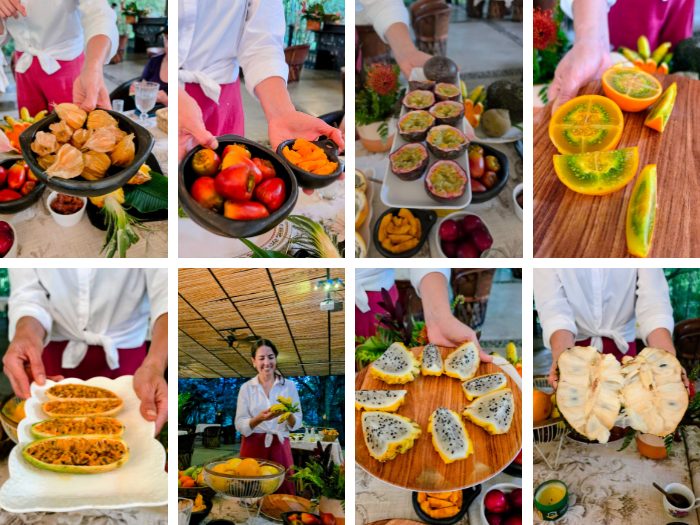
UPDATE- 2026 – As I return to Colombia after 6 years, I have had a wonderful time exploring more fruits. I have made a point of taking better photographs and including more fruits from the Caribbean coast and coffee region, with the hope of creating the ultimate guide to fruits and juices of Colombia. One of the most rewarding experiences on this recent trip was a fruit workshop in Pereira, in the heart of the coffee region.
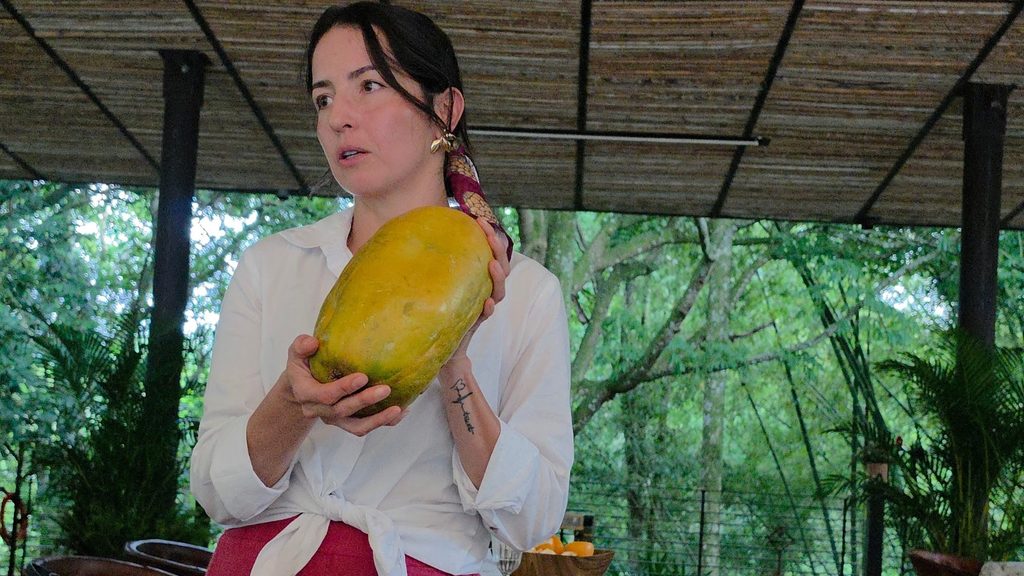
The workshop was led by Adriana Jaramillo of I.am.Colombiano, native to the region, with a deep knowledge of local food. She brought some of the bounty from her own finca. Nothing could be fresher!
🏡 Where to Stay: Top Accommodations
🥾 Explore: Tours & Experiences
🚙 Hit the Road: Car Rental Deals
🛫 Get Away: Find Flight Deals
🎒 Shop: Travel Essentials
The workshop was such a good reminder that the sheer variety of fruit can feel overwhelming at first, especially for travelers who are not familiar with what they are seeing in markets, grocery stores, and restaurants. A tasting like this takes away the uncertainty and turns it into curiosity. It is a wonderful introduction to the flavours of the country. It gives you more confidence and helps you appreciate what Colombia has to offer.
Although many fruits are readily available in grocery stores, when I was growing up, it was very unusual to find exotic fruits in the produce aisles. My parents missed Colombia’s fresh fruits and juices. Whether a sweet guanábana or a bittersweet lulo, there are so many juices to savour.
In Colombia, fruit is often turned into juices made with either water or milk, and the milk-based versions may surprise some travelers with the richness in flavour. Drinking your vitamins is not uncommon in a vegan or vegetarian diet, and Colombia has adopted “smoothie” variations for years. My aunts now make juice with almond milk to avoid lactose, and it works beautifully.
The variety of fruit juices in Colombia reflects the country’s biodiversity. With three mountain ranges criss-crossing the country, plus cool highland zones and hot, humid valleys, therein lies an ideal climate for growing a wide variety of fruits.
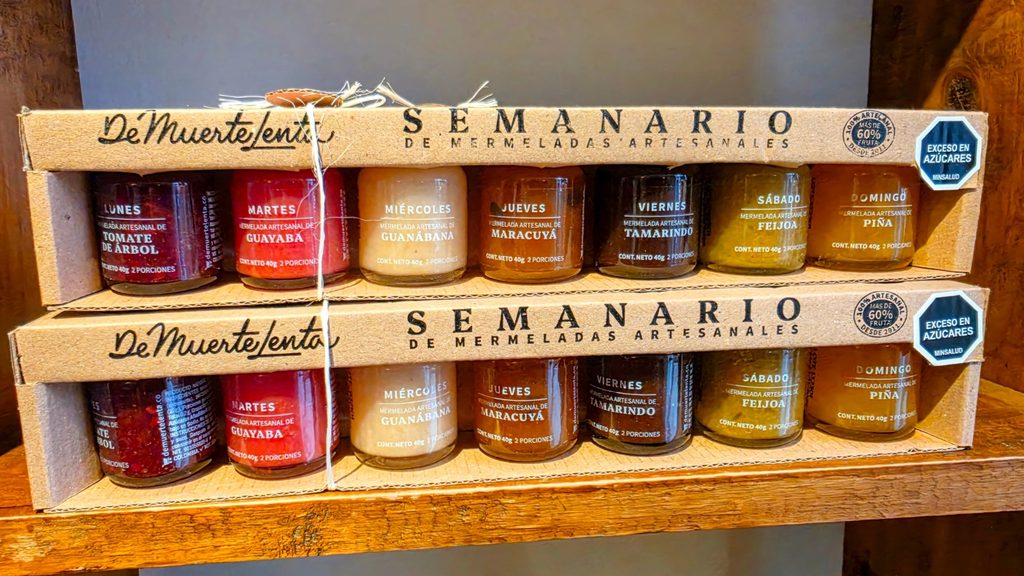
Many of these fruits are being used to create sweet treats (bocadillo – a guava paste), salad dressings, jams and preserves. Since you are unlikely to bring fresh fruit home, why not take home some delicious jams? I found these in a coffee shop in Chapinero, but they are readily available throughout the country.
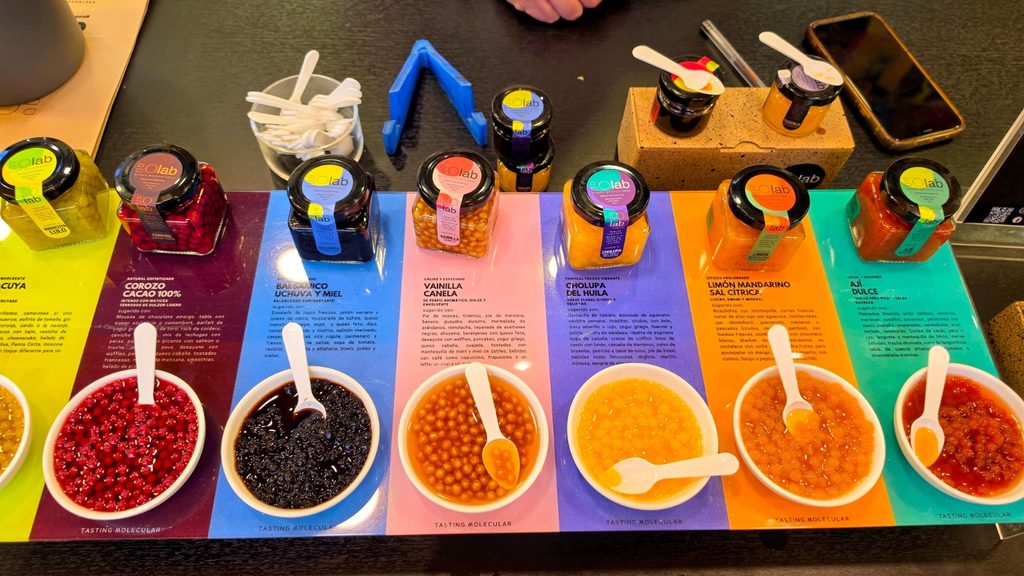
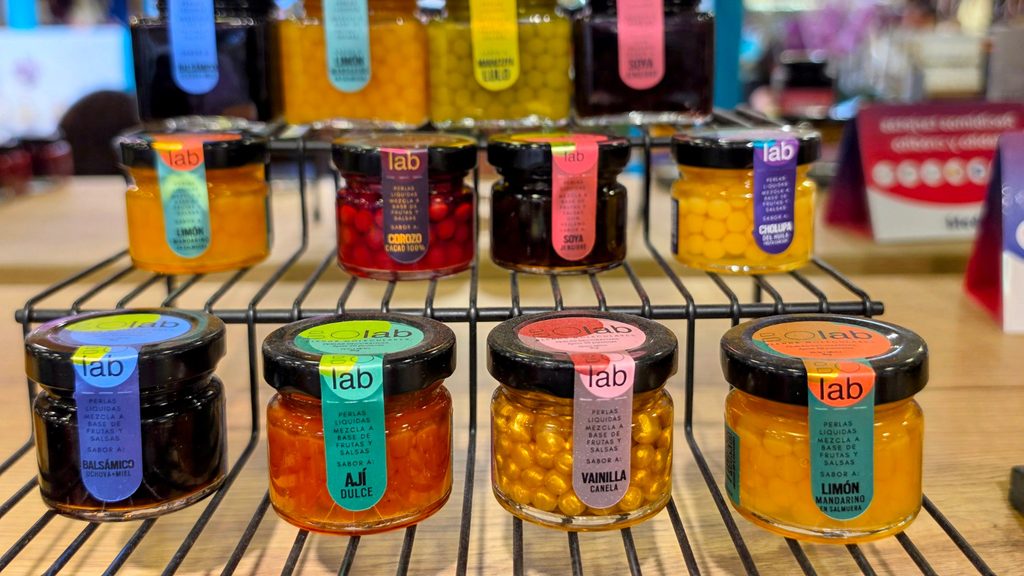
Colombians are creating some amazing culinary products beyond just fruit juices and fruit salads. Another wonderful product that I found in Bogota was BOlab Blends. They produce small pearls or beads of flavour. With interesting pairings like Cholupa or Corozo, Uchuva & Honey or Lulo Passion fruit. You can use them in deserts or to garnish a cocktail. They were delicious.

It is not unusual to have exotic fruit juices when you are invited to someone’s home or if you go out to eat. Fruit juices, snacks, and desserts can be found in the finest restaurants, street vendors, and even massive fruit markets such as Paleocemado in Bogota. Many of these fruits can be consumed directly, but many must be processed into another form. Whether juiced, baked, or simmered into sauces, the fruit and vegetable juices of Colombia will enchant you!

Crepes & Waffles in Bogota
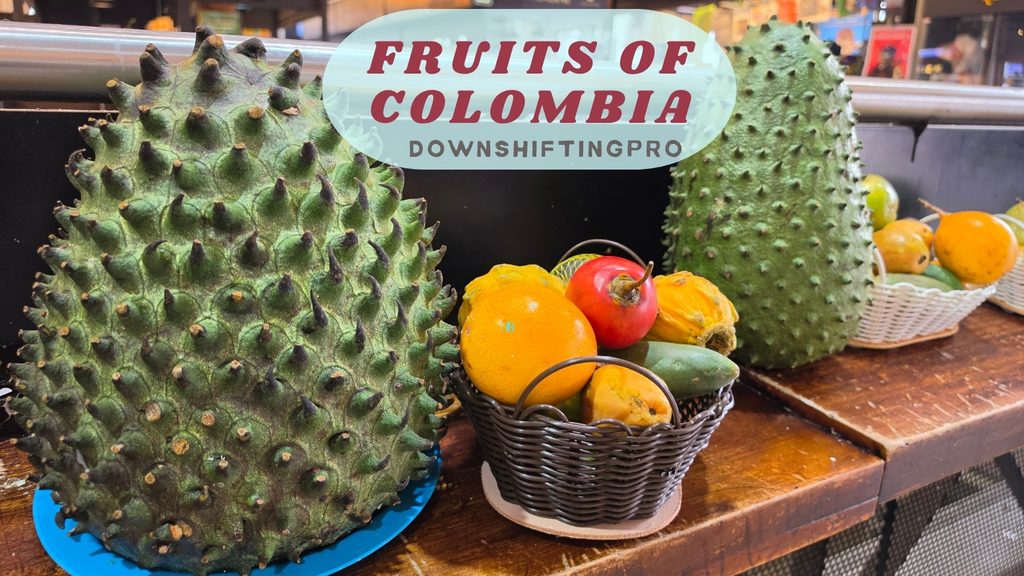
Fruits and Juices of Colombia
As many of these fruits were newer to me, I thought I’d provide an Ultimate Guide to Fruits and Juices of Colombia for your reference. Have this article handy when you travel to Central and South America, as many of these fruits are accessible in just about any of these countries. They may have different names, but their flavour will not change.
Aguate
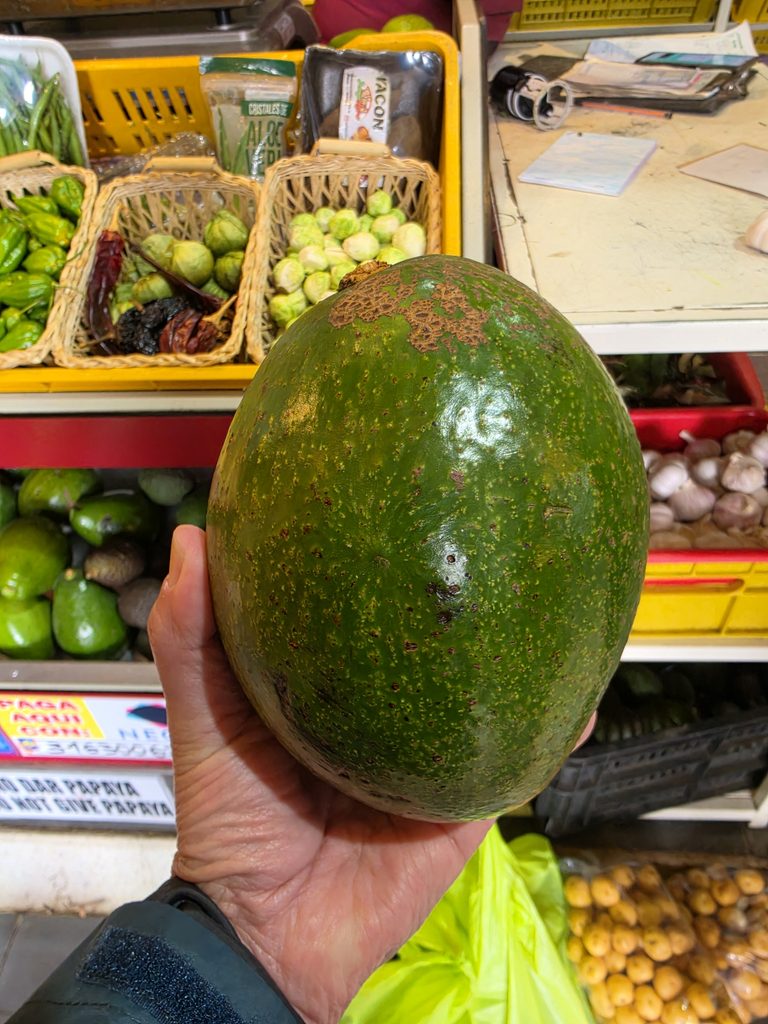
—Avocado—There are many varieties of avocado in Colombia, but you are likely to find large ones with smooth skin. With this variation, ripe avocados do not necessarily turn black—they will still be bright green.
Anon
—Sweetsop, or sugar apple, soft white pulp with inedible pits, can be eaten directly or used for juice (related to a cherimoya)

Badea
—giant passion fruit – sweet and once ripe, the rine can be eaten like a melon. This is not a common fruit and is consumed less, but you can eat it directly (the pulp and not the seeds) or it can be juiced.

Bocadillo Banano
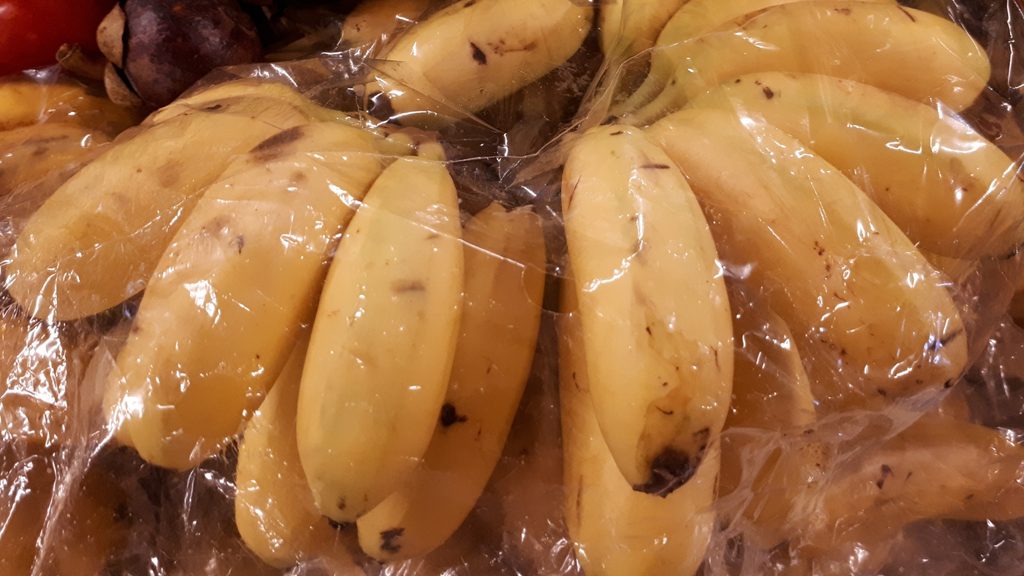
– fingerling sweet bananas. Much sweeter than a standard banana and in snack size. Be sure to massage them first, then cut the tip off and squeeze out the delicious pulp.
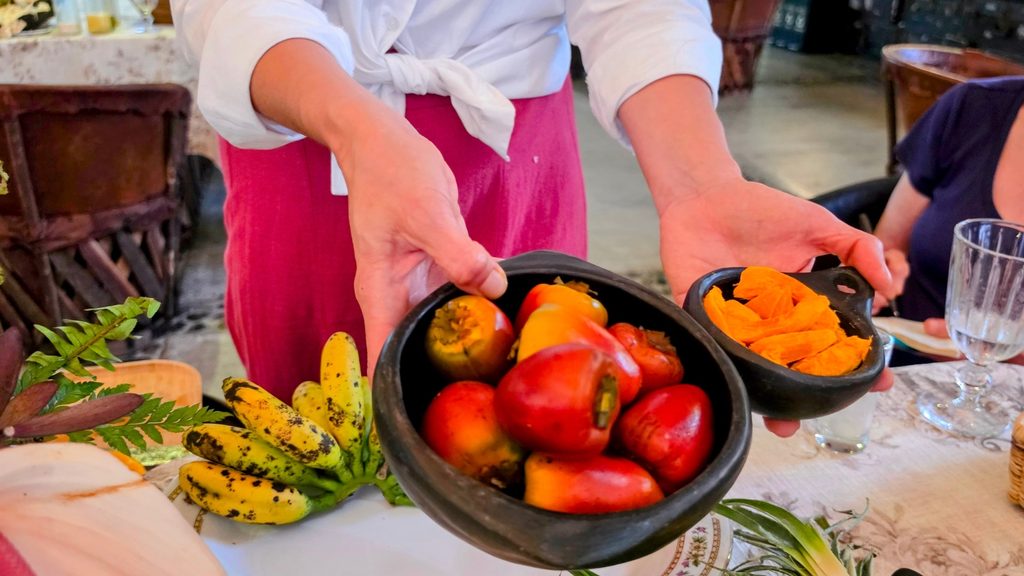
Chontaduro
– Firm flesh is the same colour as the skin. Although it can be eaten directly, it is usually sold stewed (for a few hours). It is then served with salt, lemon, and honey. (See image below in the small bowl). Sold in bunches by street vendors. Also being used in soups and sauces as well as chips.

Ciruelas
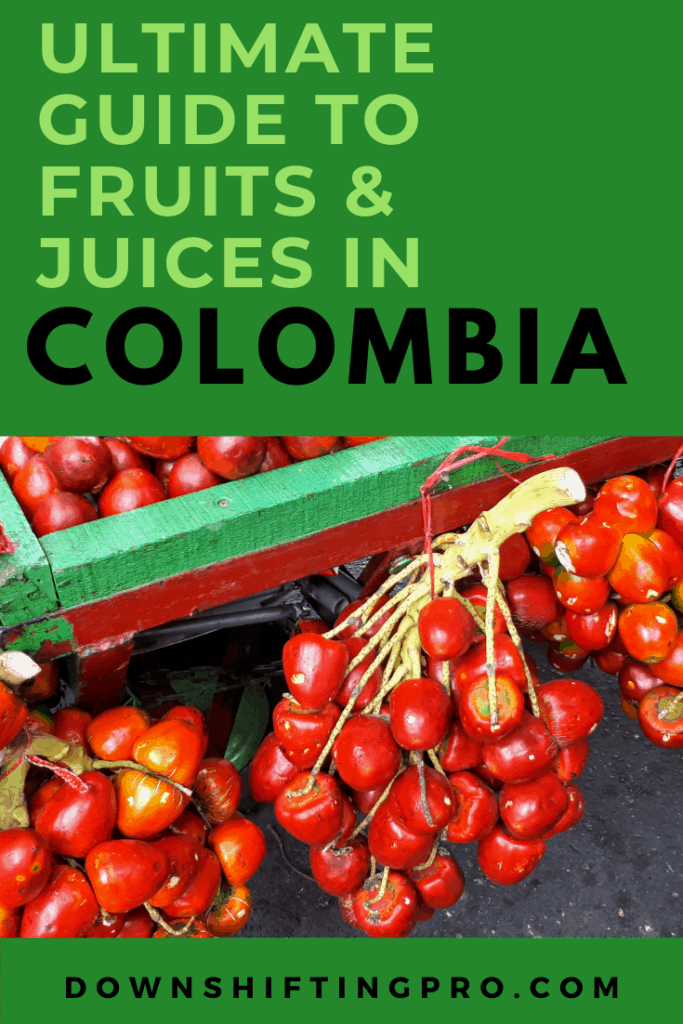
– tiny plums, sweet with an inedible pit, usually eaten directly. When at streetlights, or roadside vendors may try to pass off tiny ciruelas as cherries, do not be fooled—they are plums!

Corozo
—a tropical palm fruit it is found on Colombia’s Caribbean coast. Often used in juices, jellies, sweets, sauces, and even corozo wine.
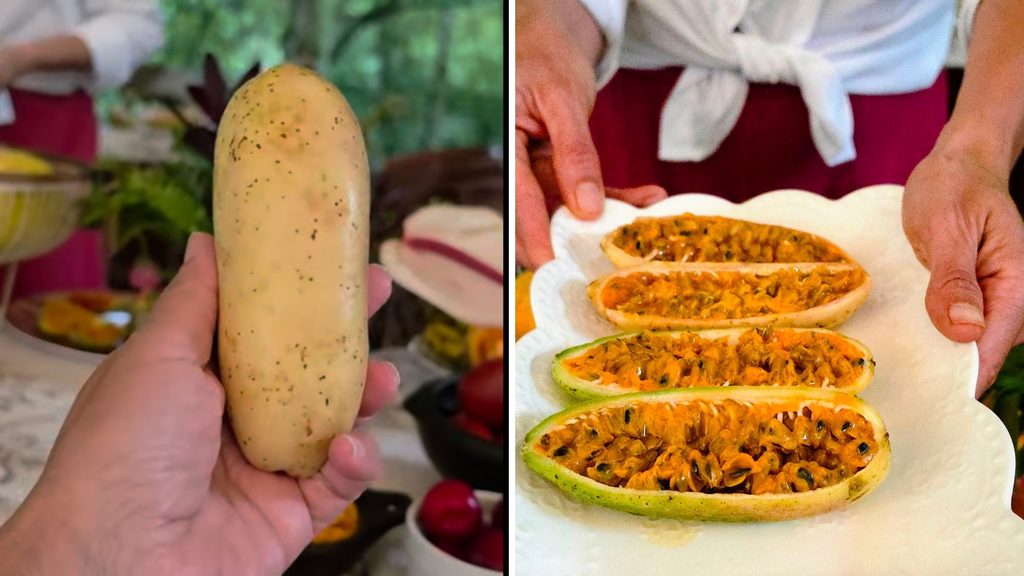
Curuba
—banana passion fruit—pink/coral-coloured flesh with edible seeds. It has a soft skin with a velvety texture. Can be eaten directly (slightly bitter) or juiced in water or milk

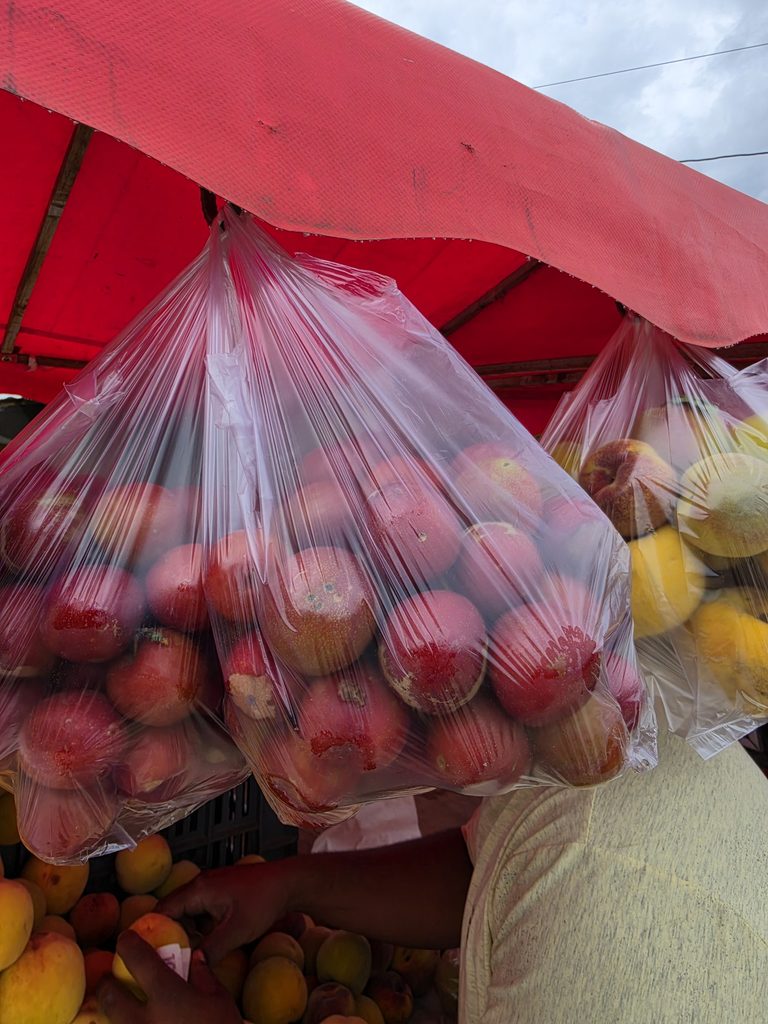
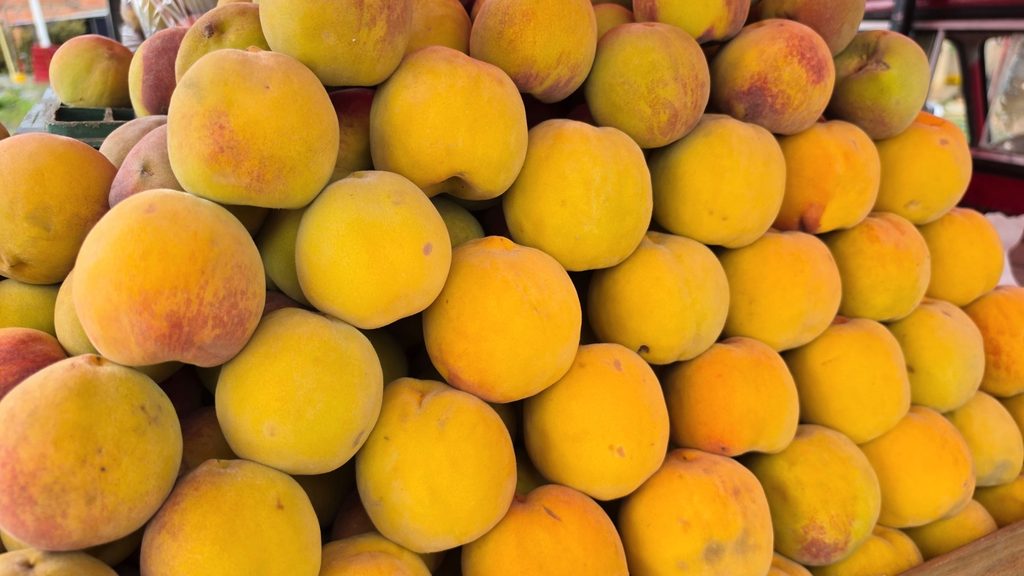
Duraznos
– Peaches – this fruit would be familiar to most North Americans – not as sweet as I am used to but still delicious. We stopped by a roadside stand in Boyaca.
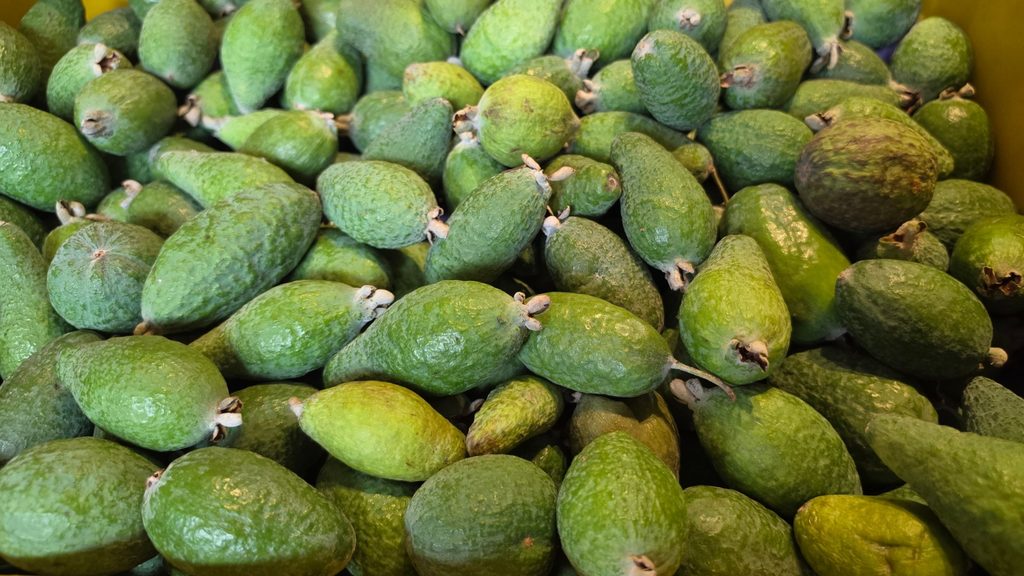
Feijoa
– pineapple guava – soft, white pulp, edible seeds and can be used for juice. In Boyaca there is a town dedicated to all things feijoa (including an annual festival).
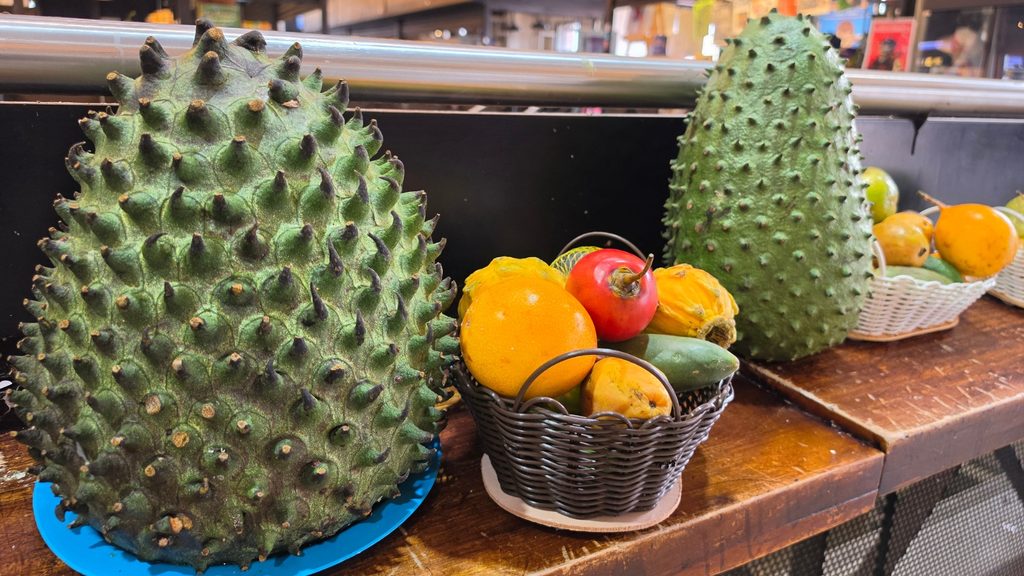
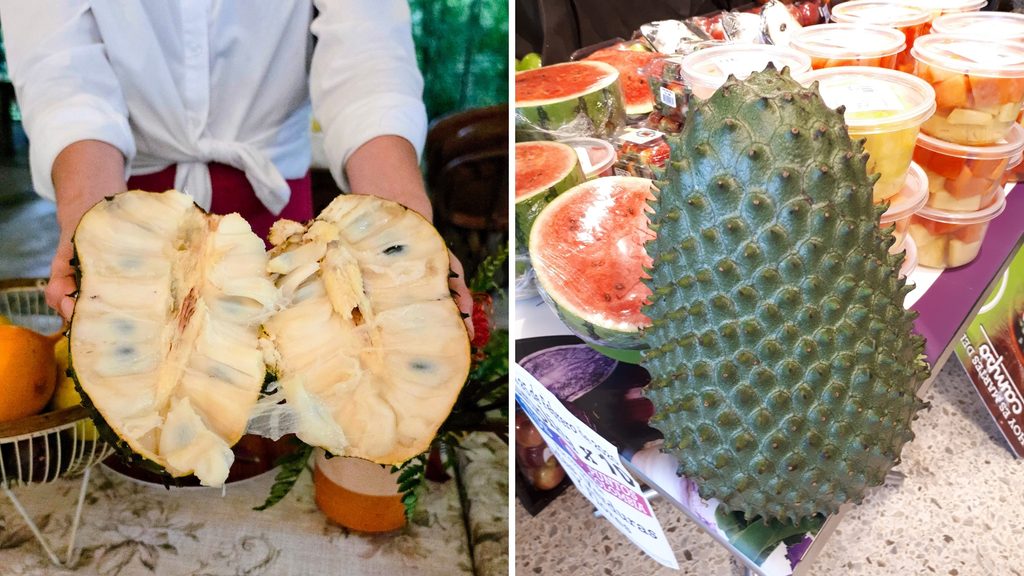
Gunabana
– white pulp, sweet with large inedible seeds, used primarily for juice but can be eaten directly
Granadilla
It comes with a hard rind, which you crush open, and you will find translucent pulpy flesh with black seeds. Pulp and seeds are edible. Eat directly. This is one of my favourite tropical fruits and can often be found in Asian markets.

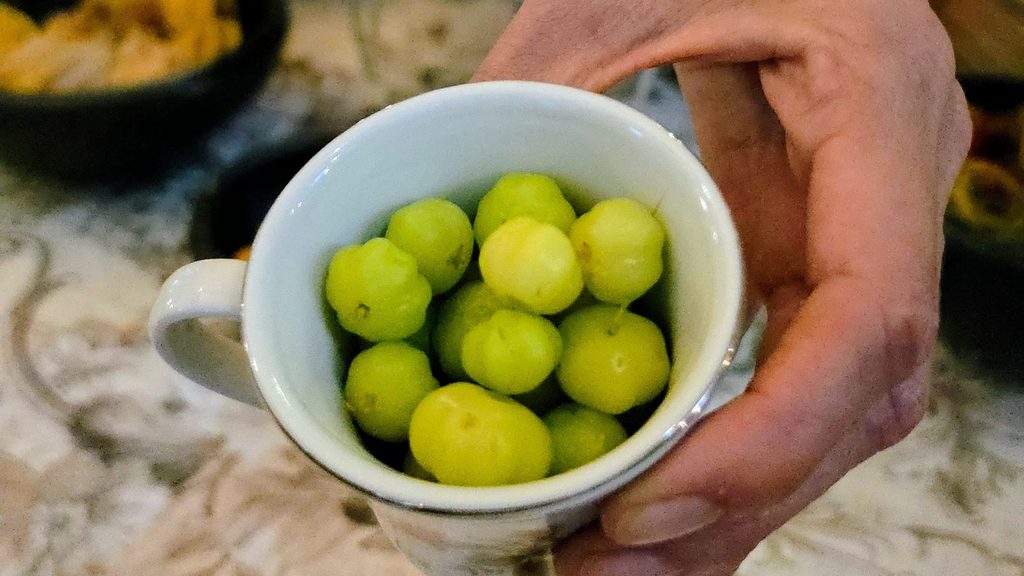
Grosella
-Green currants. Sweet taste and thin skin of ripe berries. Eaten directly.
Guayaba agria o coronilla
– a sour variety of guava fruit, round and pink inside, used primarily for water-based juice. Can be eaten directly once ripe.

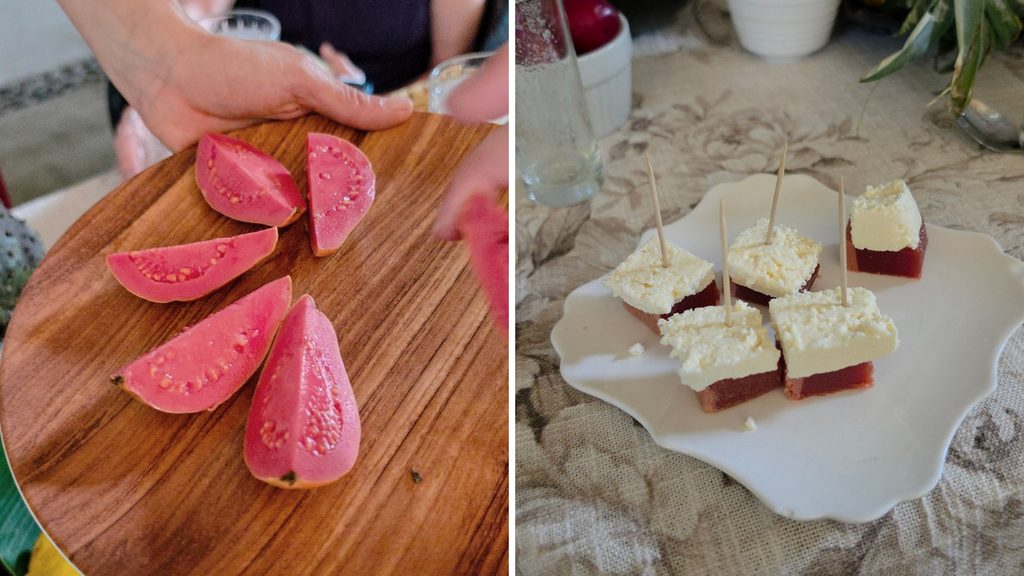
Guayaba dulce or pera
– Sweet guava or pear guava is easily found throughout Colombia. It is so abundant that they make a guava paste (or candy) that is eaten with cheese, or in baked goods. It is called bocadillo. It is pink inside, used primarily for water-based juice. Can be eaten directly once ripe.
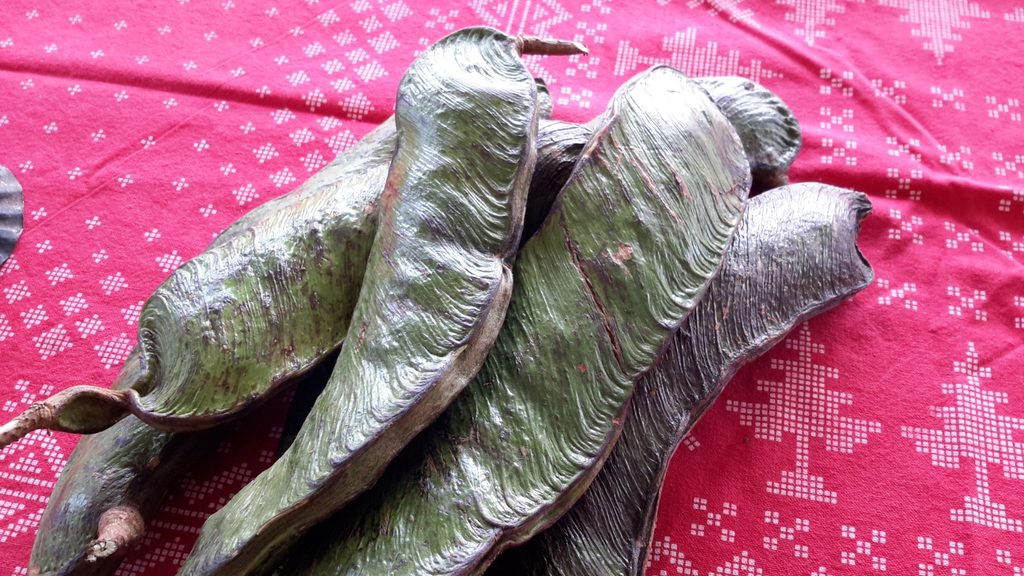
Guama
– long, hard pod with white pulp and large inedible seeds. Sweet and sticky, eat directly.

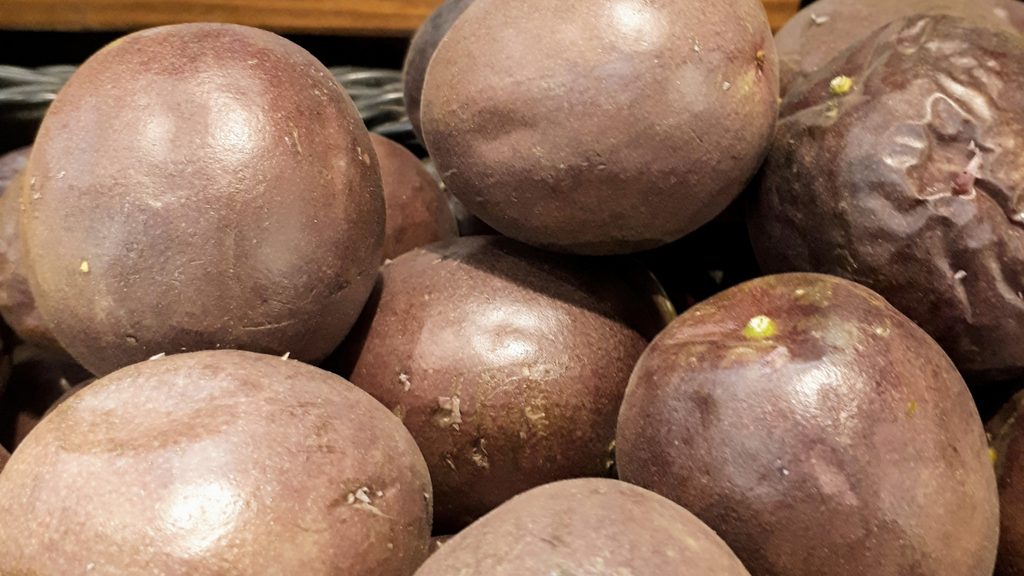
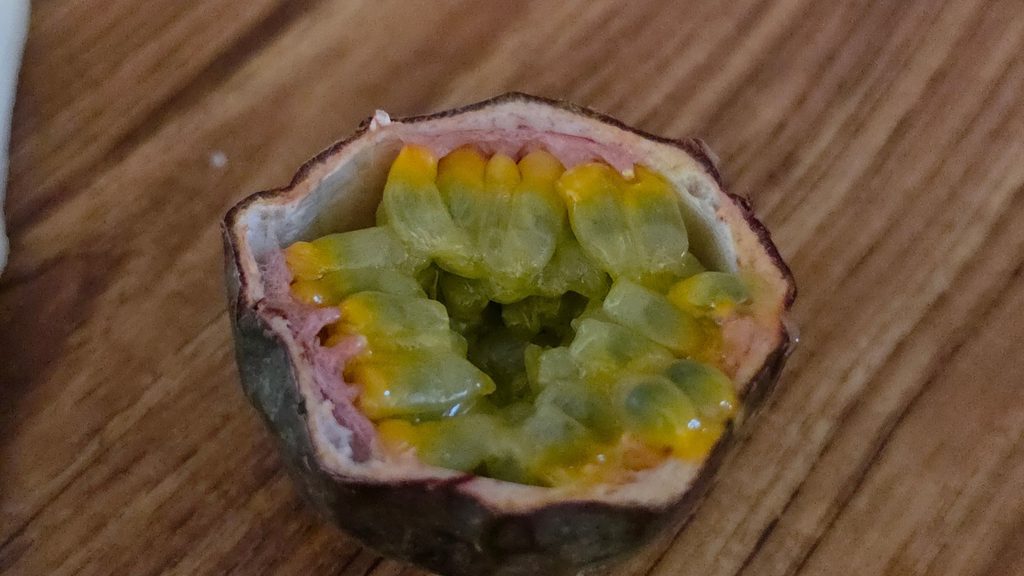
Gulupa
– purple passion fruit – most commonly exported from Colombia. Our fruite workshop guide said it is not as well known in Colombia as a maracuya (also considered a passion fruit – see below). The skin is dark maroon (almost black) and green/yellowish pulp with black edible seeds. It can be used for juices with a water or milk base.
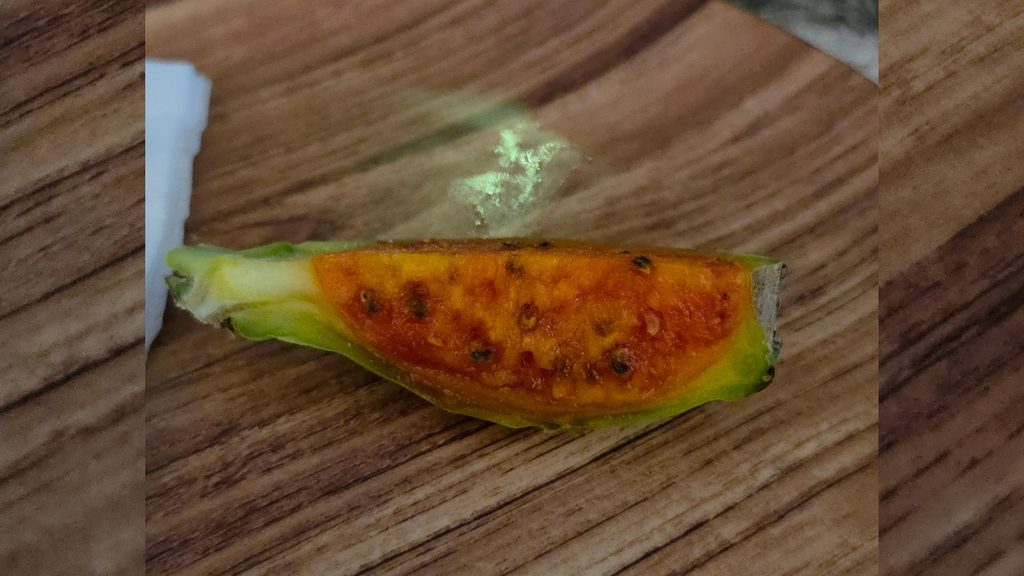
Higos
-know as Prickly Pear, it is also called ‘Tuna’ in other Latin American countries because the spike horns are called tuna in Spanish – This is the fruit of the Nopal cactus (see below) – soft, pulp with a reddish tinge to it, can be eaten directly.

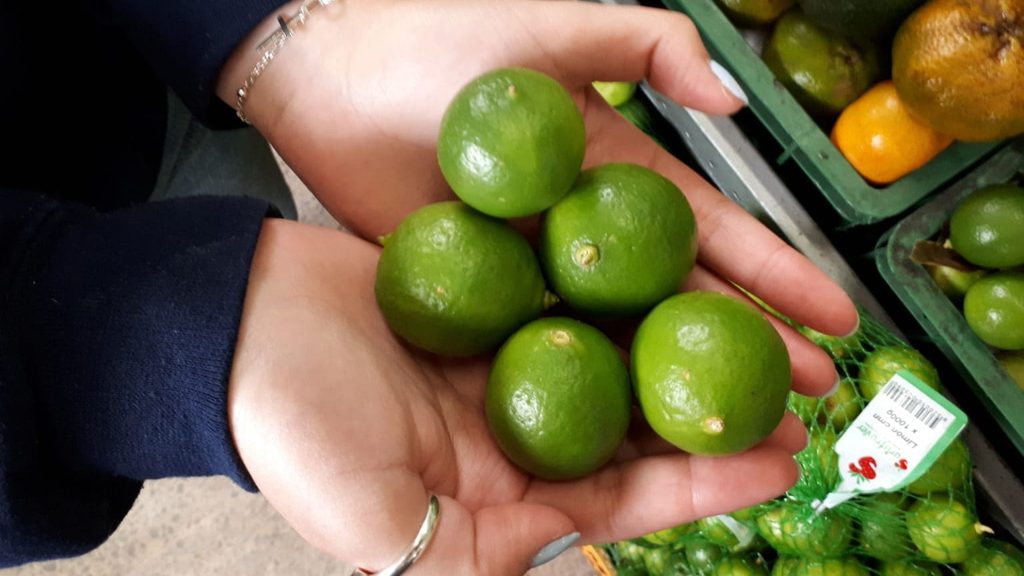
Limón Pajarito
– very small limes (key limes?), sour – used for juice, used for cooking. These are smaller limes – as opposed to the Limón Tahití which is larger and the 3rd most exported fruit from Colombia.
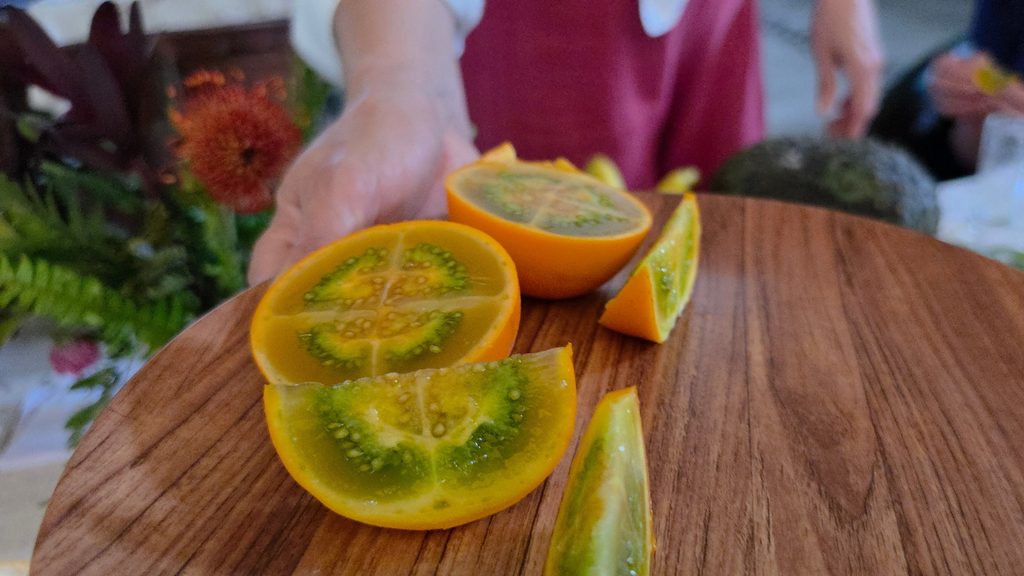
Lulo
– usually used for juice, it is sour and has a green and orange pulp with tiny seeds. You can find this as frozen pulp. Can be water or milk-based juice. Very popular in Colombia.

Mamoncillo
– small solid orange pulp ball with a pit. Similar in texture to lychee fruit. Skin is hard and you pierce to expose the fruit. Eat directly. In the picture, mamoncillo is on left, guama on the right.

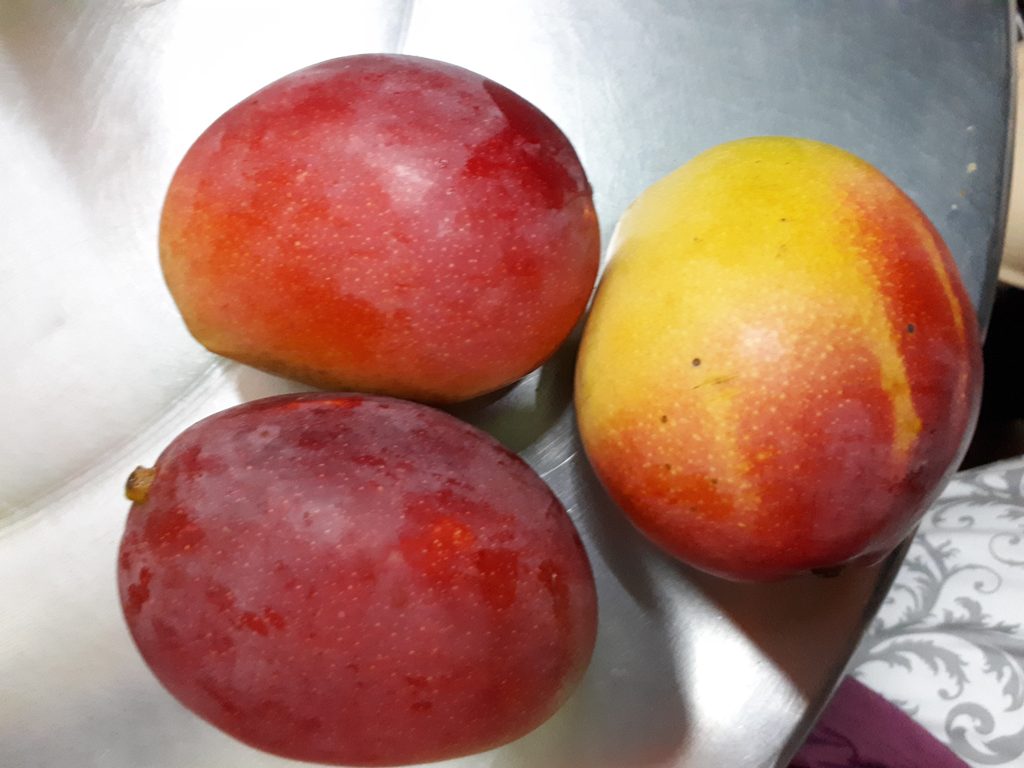
Mango
– Mangoes come in all sizes from tiny sweet ones that fit in the palm of your had to large meaty ones. Eat directly or make juice once they are very ripe. Green unripe mangoes are eaten with salt as a snack.
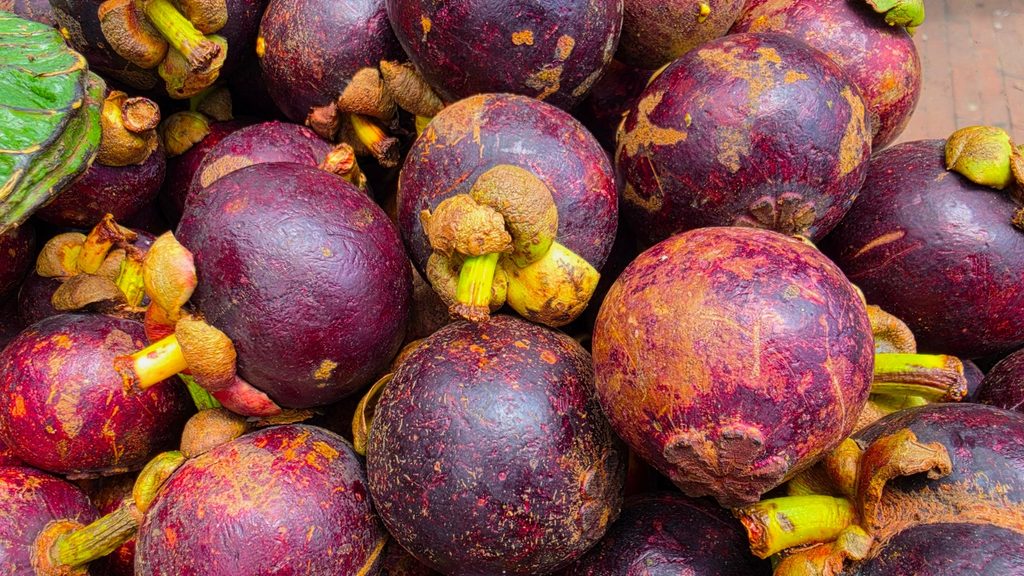
Mangostino
– Mangosteen resembles a giant lychee fruit in texture and colour – white pulp, divided into wedges. It is eaten directly. See the video below for how to eat it!
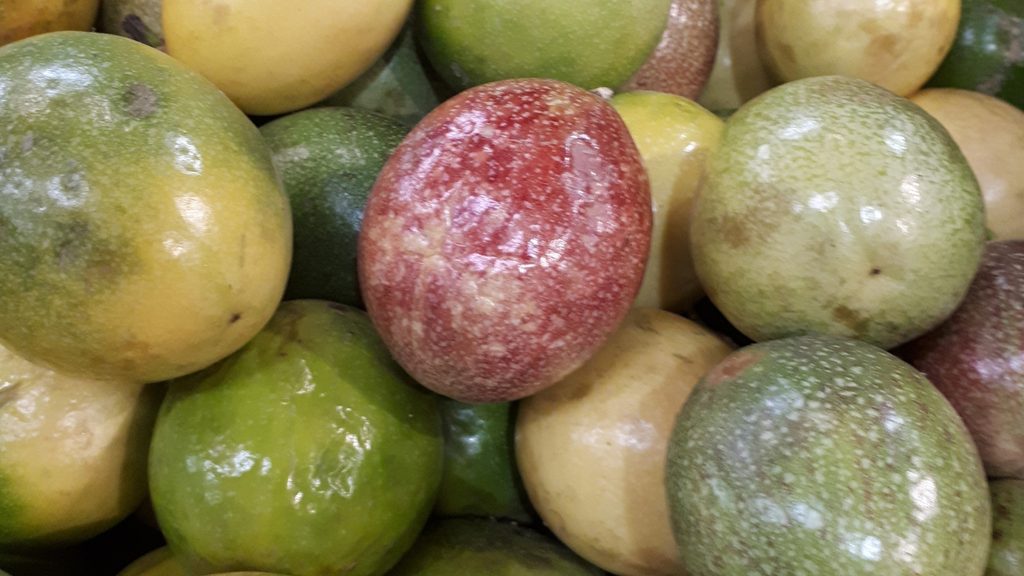
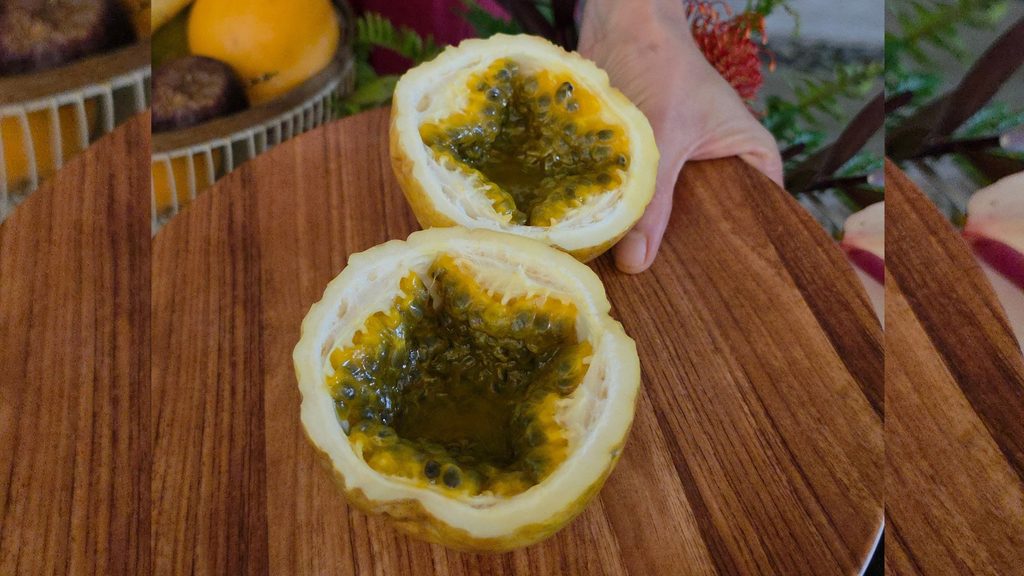
Maracuya
– most common passion fruit variety – similar in taste and texture to a granadilla. Pulp is yellowish with black seeds and is sweet. All pulp and seeds are edible but mainly used for juice.
Moras
– Blackberries—this is one of the most popular juices in Colombia; you will find this on every menu. You can have this as a water- or milk-based beverage. Berries can be eaten directly buy may be sour.


Naranja
– Orange: Unlike our North American oranges, Colombian oranges come in a hue of colours from yellow to light orange to green.

Naranja Grey
– bitter orange – the rind is candied and eaten primarily during the Christmas holiday season.

Nopal
– prickly pear – originally from Mexico, this cactus leaf can be grilled. It’s fruit is the very colourful higo (see above).

Papaya
– Colombian papyaas are huge. You need to peel, seed and cut into cubes. Eat directly.
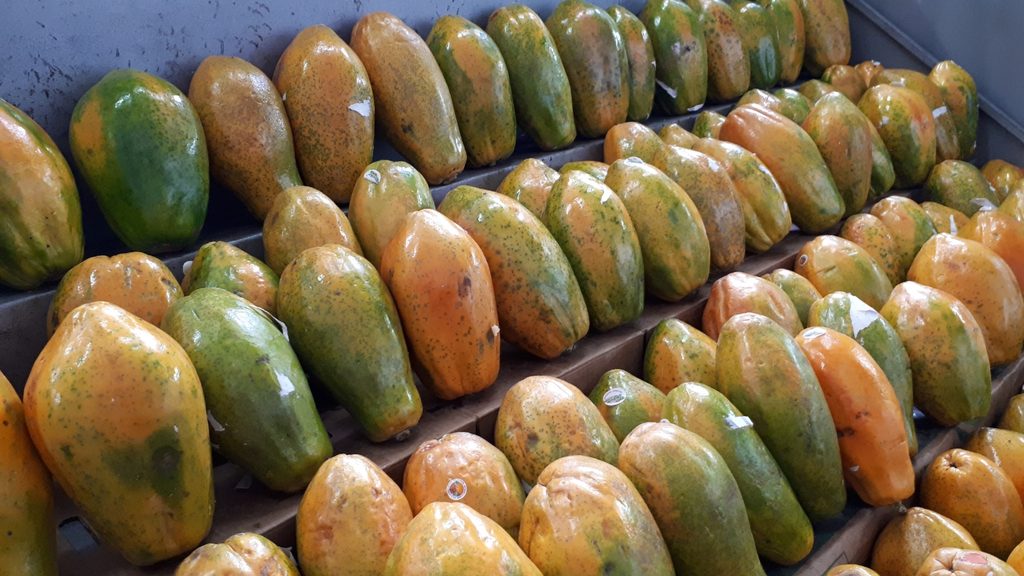
Papayuela
– a smaller version of papaya but is more firm. As a child, my mom said you eat papayuela during Christmas time as a sweet.

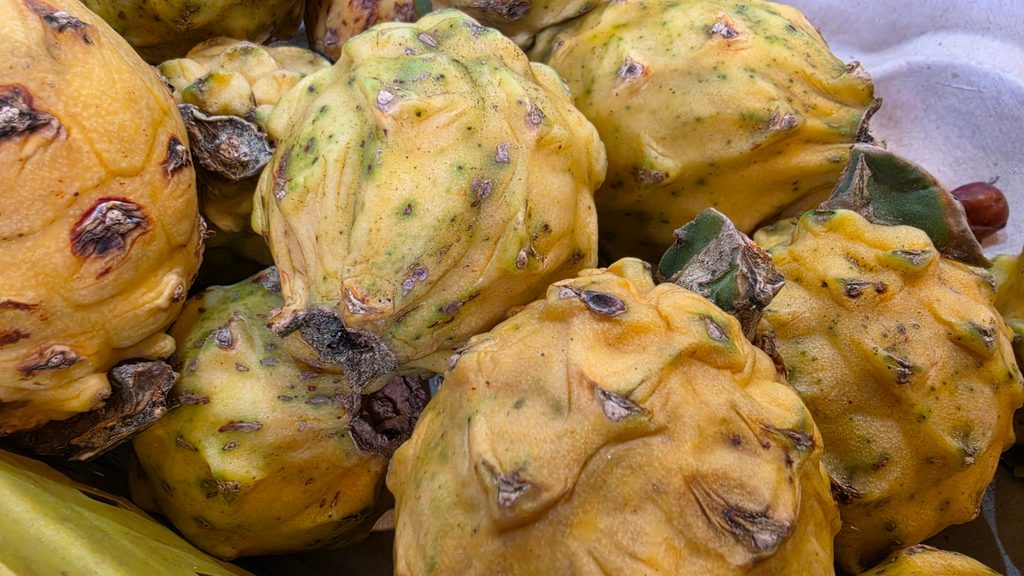
Pitaya Amarilla
– dragon fruit – unlike other dragon fruit, it is yellow outside but is white with black seeds on the inside (like other dragon fruit). You eat it directly, juice is not usually made with pitaya.
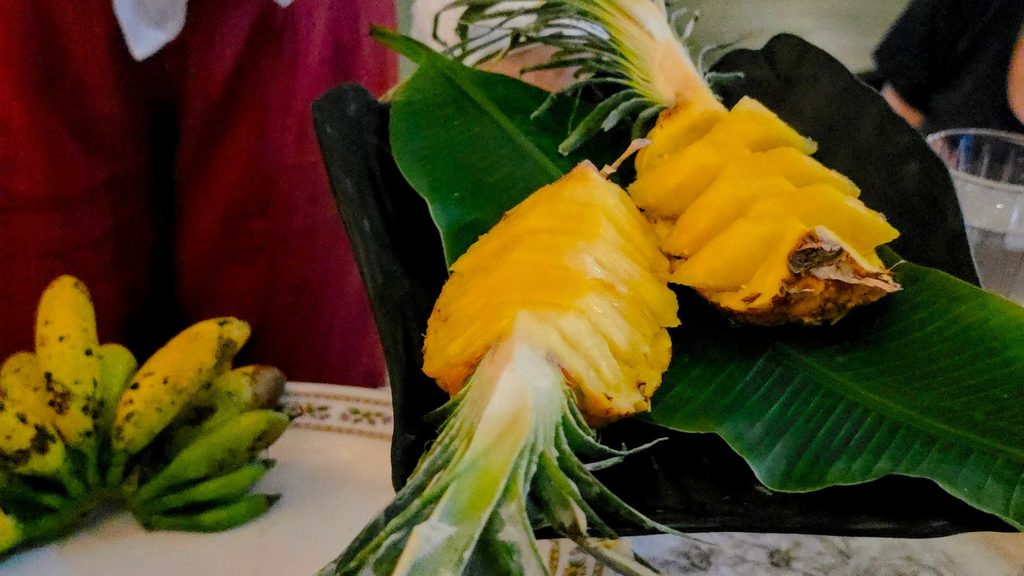
Piña oro miel
– Piña oro miel is a golden, fragrant pineapple variety prized for its juicy texture and balanced sweet-tart flavour. Once peeled you can eat directly or enjoyed as a juice.
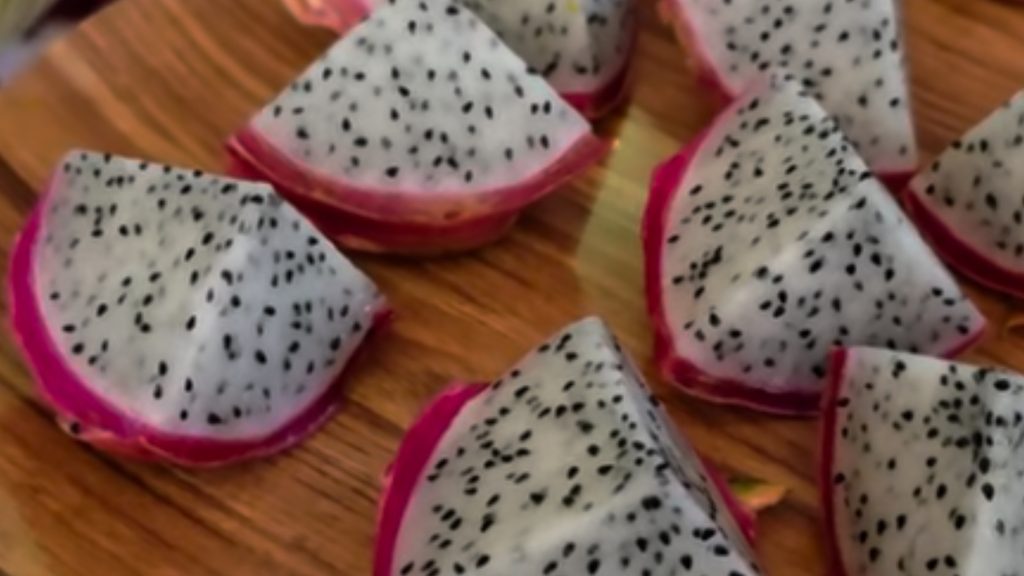
Pitaya Blanca
– dragon fruit – commonly thought to be from Asia, the dragon fruit originated in South America. It’s bright pink exterior is bright white inside with black seeds on the inside. You eat it directly, juice is not usually made with pitaya.
Tomate de árbol
– or Tamarillo – found in a hue of colours from yellow to deep maroon. Used in juices and sweets. Funnily enough, I did not find one family member that enjoyed this fruit (texture, bitter-sweet in flavour).

Toronja
– Grapefruit – just like back home, these grapefruits were large and in hues from yellow to coral to orange. Peel and eat directly. Juice can be made with water.


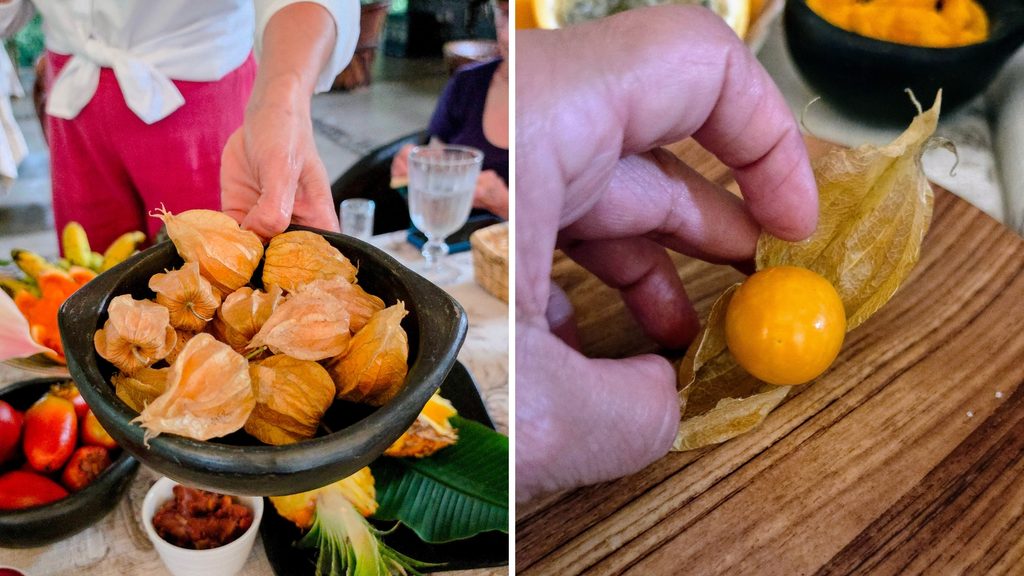
Uchuva
– Gooseberries, or golden berries, are now readily available in Canada, even at Costco. An uchuva is like a candy that you pop into your mouth. No peeling; it has more substance than a grape (uva), but it is not as juicy.

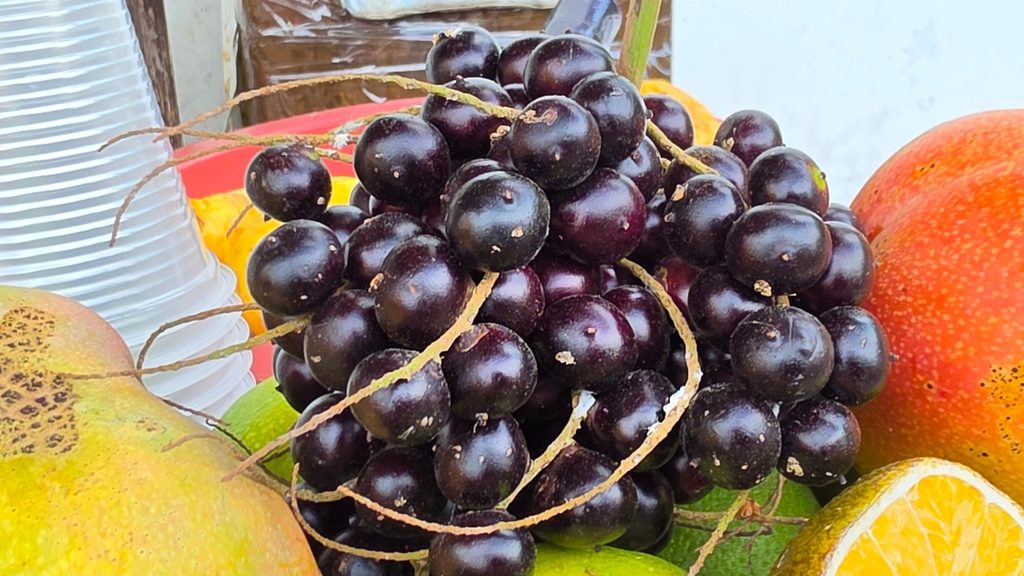
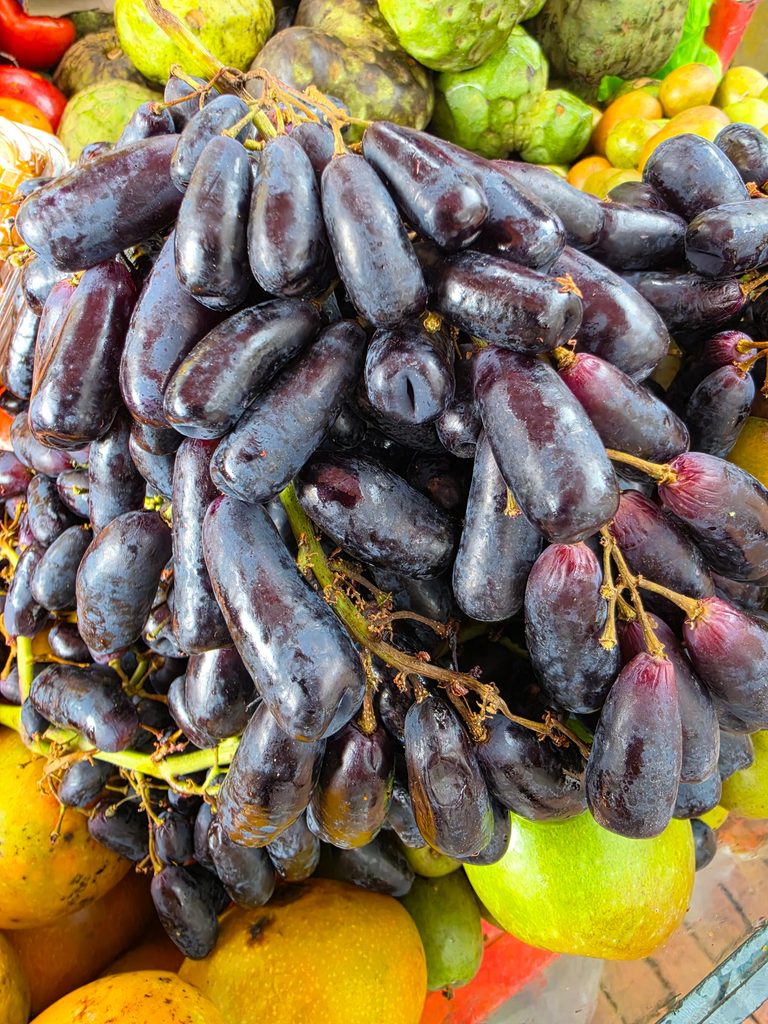
Uvas
Black sapphire or witch finger grapes—novelty grapes in the shape of long fingers and black in colour. I found these at a vendor’s stall at the Santa Barbara Market in Usaquan.
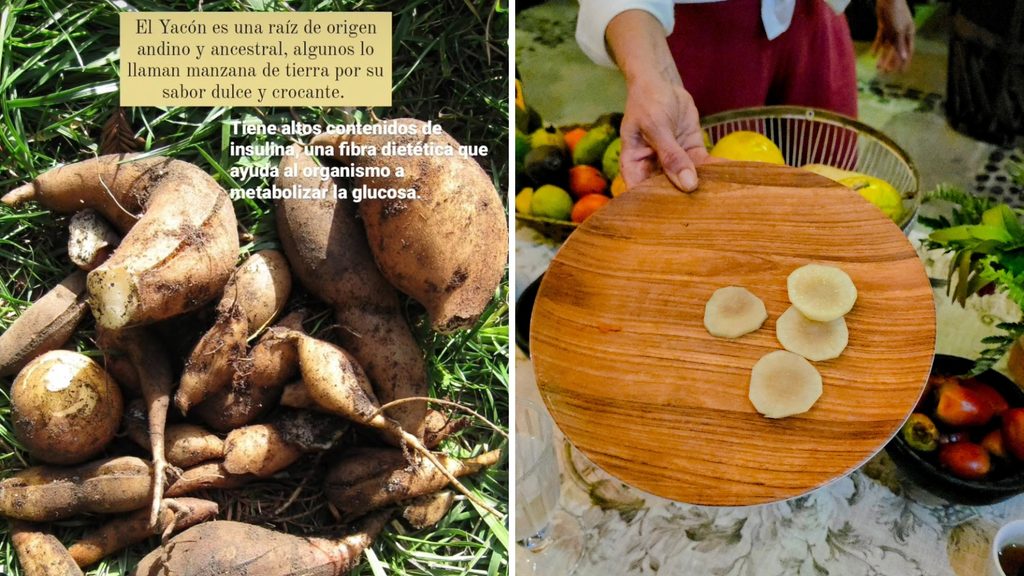
Yacón
— having medicinal properties, this helps with glucose regulation. It is the only tuber on the list and is often referred to as the apple of the earth for it’s sweet, crunchy texture. It can be eaten directly.
Photo Credit: Adriana Jaramillo of I.am.Colombiano
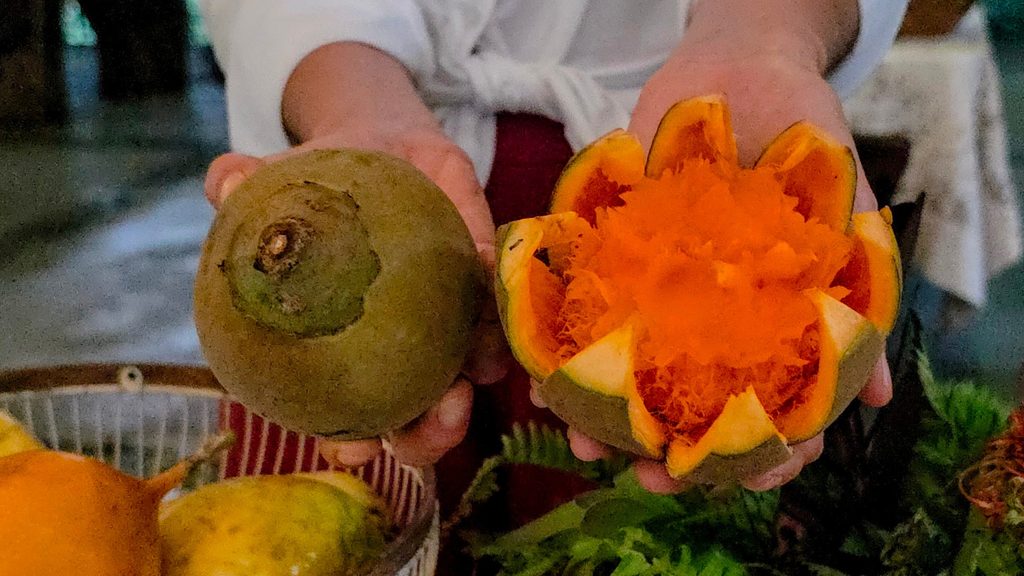
Zapote or Zapote chocoano
—having the same texture and fibres of a mango, zapote is found primarily in the coastal region. It’s sweet and juicy. This fruit is found in the Andes region and only in the west coast.
These are but a few of the fruits and juices of Colombia. You can visit a great big market like Plaza de Mercado Paloquemao, La Concordia, or dedicated fruit vendors like Granfruvar Chia in Chia. The market’s motto is “All of Colombia in one location” (Toda Colombia en un solo lugar), and it is very true.
You will find every variety of fruit and vegetable in Colombia, along with living chickens, roosters, fishmongers, and butchers of every variety. There are flowers (another of the biggest exports besides coffee), bakeries, sweets, and artisanal handicrafts. Come hungry, and you won’t be disappointed.
Other posts on Colombia:
- First Wonder of Colombia – the Salt Cathedral of Zipaquira
- Traveling with Grandma to Colombia
- Short Travel Videos from DownshiftingPRO (including BOTERO Museums in Bogota and Medellin, Colombia)
- The Botero Museum in Bogota and Medellin (video)
- Ultimate Guide to Fruits and Juices in Colombia
- Best Souvenirs to Buy in Colombia


Disclosure: The fruit-tasting workshop with I.am.Colombiano was organized with BnBColombia, a tour company specializing in bespoke tours throughout Colombia. This experience was part of a post-conference trip with SATW in Cartagena. I would like to thank ProColombia for continued support on my three-week tour of Colombia. This post was originally published in 2020 and has been updated in 2026 with new information and photographs. All opinions are my own and unbiased.
🥾 Explore: Tours & Experiences
🏡 Where to Stay: Top Accommodations
🚙 Hit the Road: Car Rental Deals
🛫 Get Away: Find Flight Deals
🎒 Shop: Travel Essentials