This post includes affiliate links. When you purchase through these links, we may receive a small commission at no extra cost to you. For full details, please see our affiliate disclosure page.
What does it mean to support reconciliation as a traveler?
🏡 Where to Stay: Top Accommodations
🥾 Explore: Tours & Experiences
🚙 Hit the Road: Car Rental Deals
🛫 Get Away: Find Flight Deals
🎒 Shop: Travel Essentials
It may begin with listening and learning; hearing Indigenous storytellers speak about their communities, visiting museums and cultural centres, reading books by Indigenous authours and taking time to understand the histories of the places we visit. It can also including supporting Indigenous-led tourism businesses and experiences so that cultural knowledge, education, and economic opportunities remain connected.
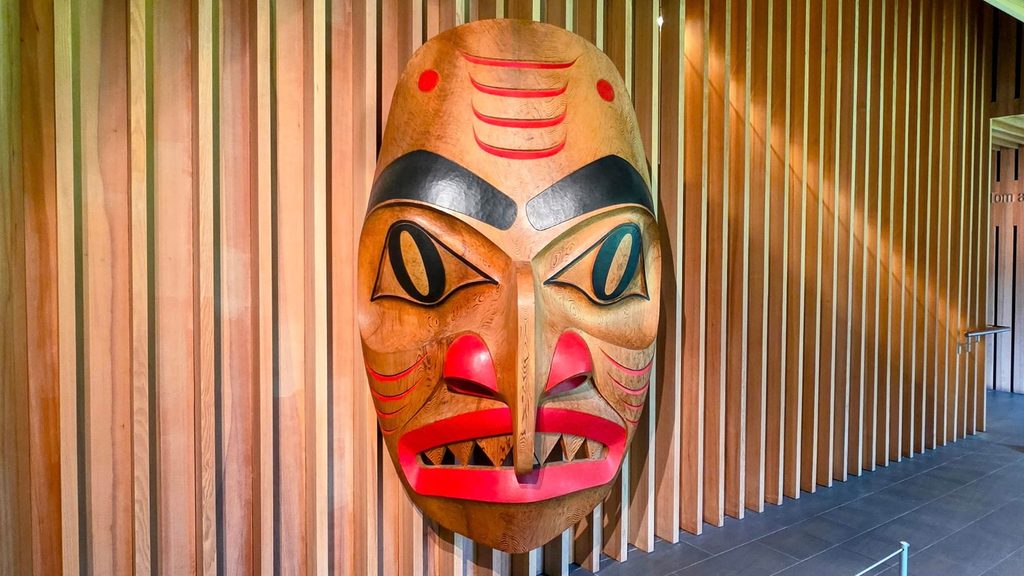
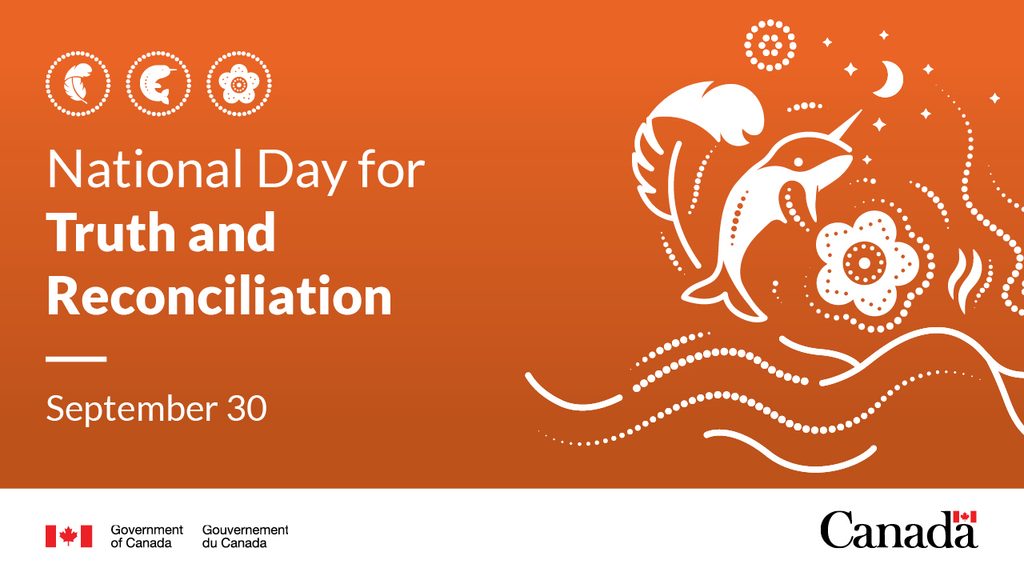
Today, on the National Day for Truth and Reconciliation, I am reflecting on how Indigenous tourism has shaped my travel writing and the way I experience a destination. I seek out Indigenous art, books and community-lead experiences whether I travel in Canada, the United States or Colombia.
Canada established September 30th as a day to honour residential school survivors, their families and communities, remember the children who never returned home and recognize the continuing impact of the residential school system. The day is also a reminder that reconciliation is an ongoing process rather than a single event on the calendar.
My interest in Indigenous tourism began first through books, an industry webinar. My first deep dive on a five day road trip to Washington’s Olympic Peninsula, quickly followed by trips to Calgary and Banff, Alberta and a visit to Wendake – a Wendat-Huron village in Quebec.
Each year, I build on the knowledge and experiences to better understand the importance of First Nations, Métis, and Inuit peoples in Canada. My recent itinerary in British Columbia brought those ideas together through arts, culture and culinary experiences. It also left me with a question that goes beyond the itinerary itself:
Can the way we travel create more opportunities to listen, learn and support the ongoing work of reconciliation?
More than Sightseeing
Indigenous tourism can sometimes be treated as an optional addition to a trip- a museum visit between other activities, a performance added to an itinerary or a restaurant chosen for something different. But these exerpiences can offer much more than a change of pace.
They create opportunities to learn from Indigenous people and communities while supporting businesses that contribute cultural education, youth employment and long-term economic power.
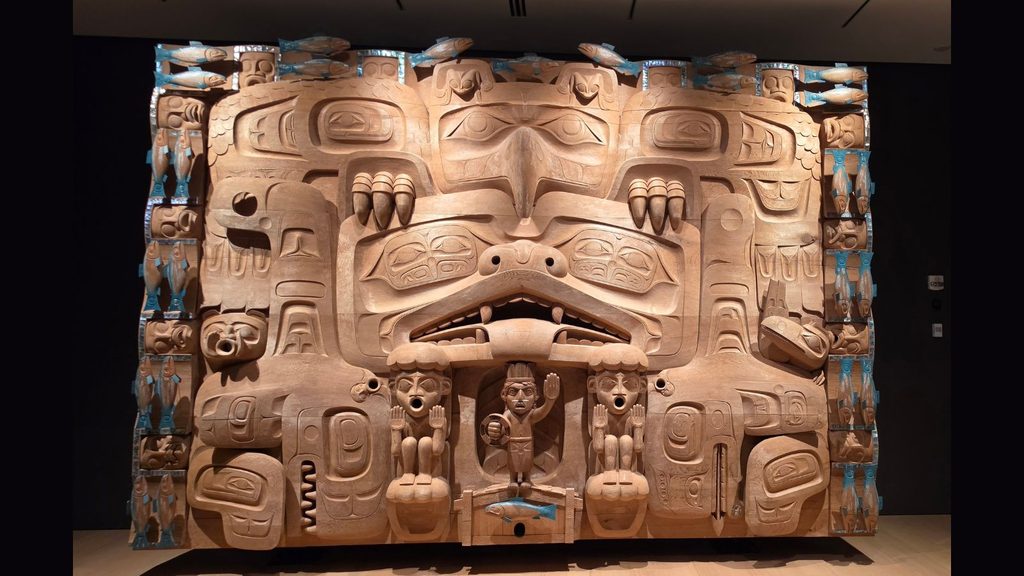
What I am seeing is many young Indigenous people reclaiming their language, culture and heritage – what was once denied to their parents and grandparents. Their success bodes well for the success of others in their community.
The important distinction is that visitors are not only simply consuming an Indigenous-themed experience but learning from knowledge keepers. When and experience is Indigenous-owned, Indigenous-led or developed with meaningful community involvement, the people connected to that culture have a greater say in what is shared, how it is interpreted and who benefits. It is an authentic experience.
What I Experienced in British Columbia
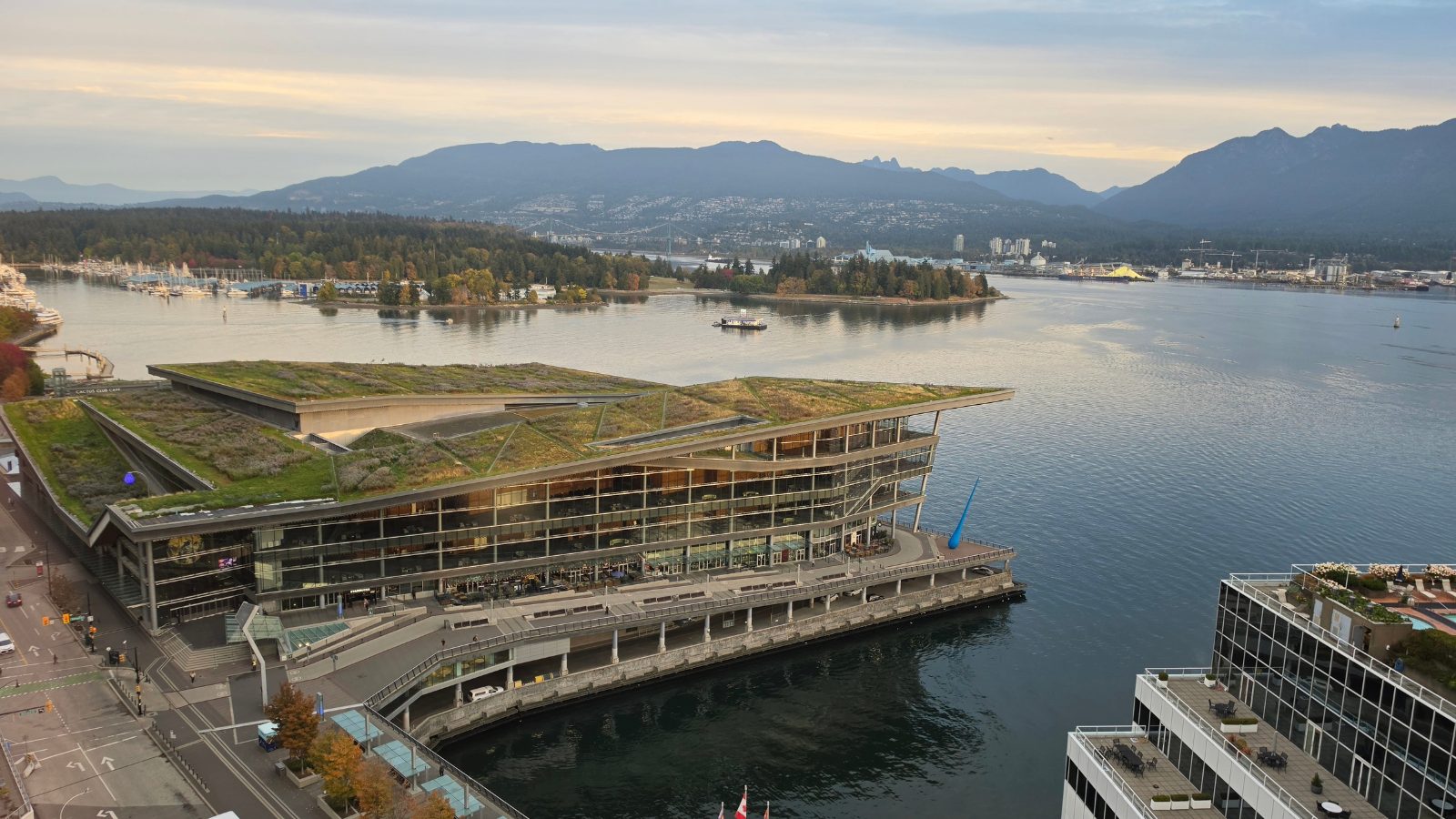
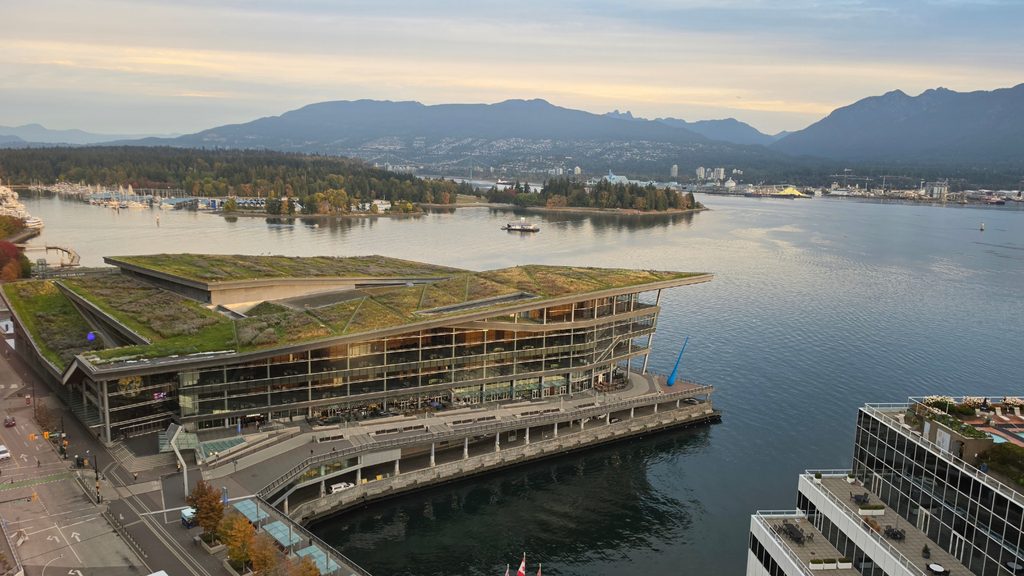
I was invited by the Fairmont Waterfront hotel to Vancouver to participate in three bespoke Indigenous experiences: a walk through Stanley Park with Talasay Tours, a paddle in False Creek with Canoe Cultures, and an exceptional meal at Salmon ‘n Bannock.
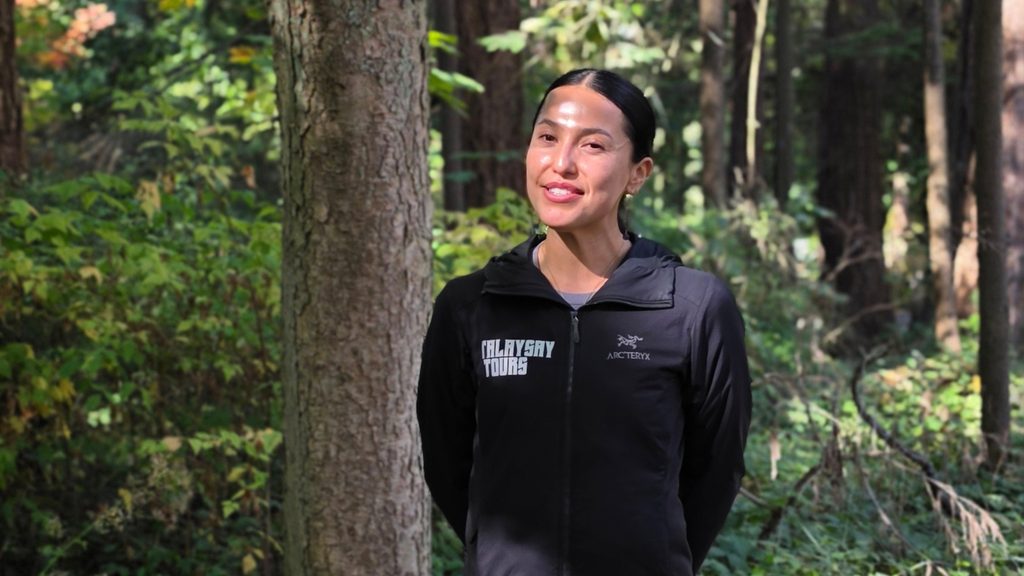
On our nature walk through Stanley Park, we heard the personal stories of Talasay Campo, a member of the shíshálh (Sechelt) Coast Salish & Sḵwx̱wú7mesh (Squamish) Nations. Her engaging informative storytelling showed how her people have used and cared for the land for food, medicine, ceremony, and community life over generations.
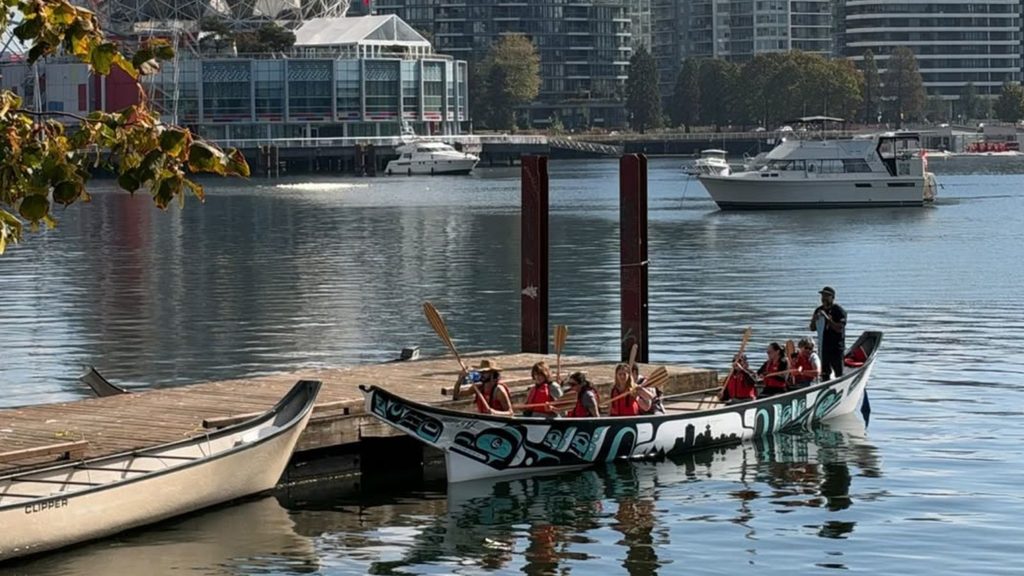
In the afternoon we took a canoe journey with Canoe Cultures through False Creek with our guides giving us an introduction to the deeper meaning of the canoe in Coast Salish culture. The canoe was not simply a vessel for getting from one shoreline to another; it carries knowledge, craftsmanship and connections between generations. Our elder guide was happy to show that knowledge with the younger, guide that hailed from Alberta and was new to the Salish Coast nations of Squamish and the North Shore’s Musqueam nations.
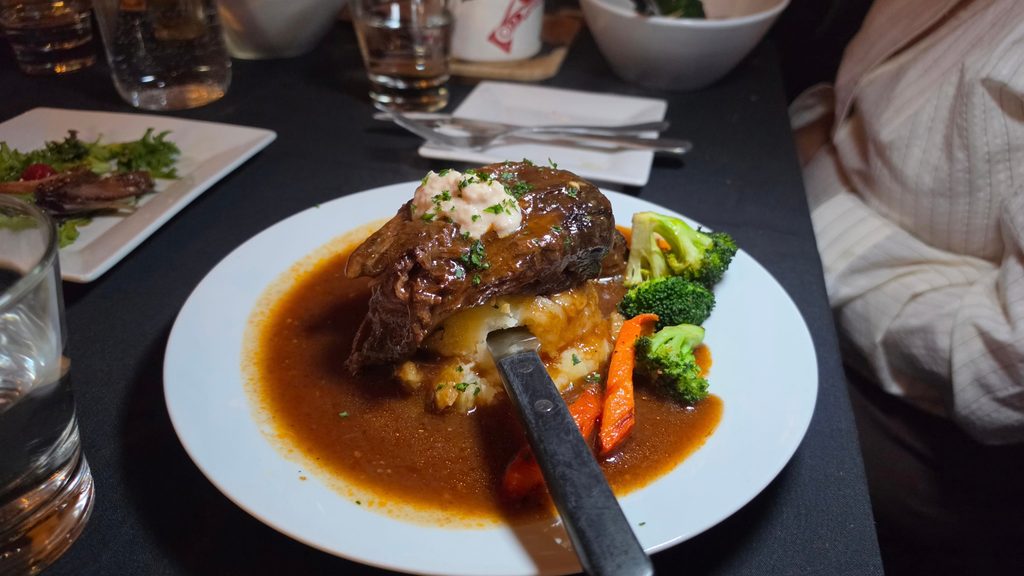
The culinary highlight of this trip was our dinner at Salmon ‘n Bannock, the only Indigenous-own restaurant in Vancouver. From the freshly baked Bannock and unique Salmon Sampler Charcuterie Board to the exquisite Bison Pot Roast with mash and Slow Roasted Ribs with a Blueberry BBQ sauce, the meal was delicious.
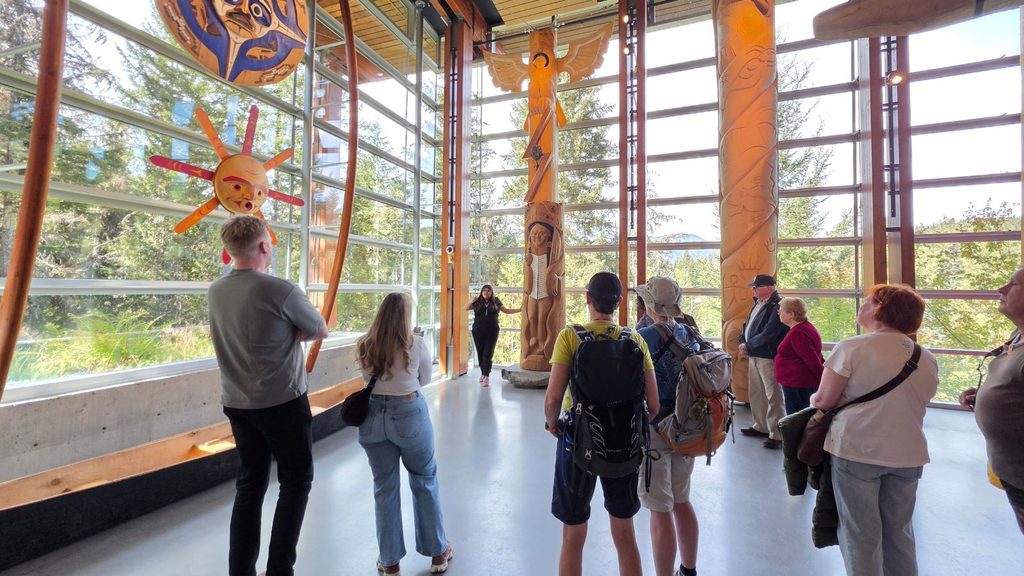
At the Squamish Lil’wat Cultural Centre (SLCC), the story of Whistler became larger than skiing, hiking, apres-ski and luxury resorts. The Centre offered a guided tour to learn about the Squamish and Lil’wat Nations from member of these communities.
My stay at the Fairmont Chateau Whistler facilitated the visit the the SLCC and the Audain Art Museum (they have recently repatriated many Indigenous masks and sacred items from museums in Europe). Although the Audain is not Indigenous owned, it still holds a placeholder for notable Indigenous pieces and an impressive collection of Emily Carr paintings.
The Fairmont Chateau Whistler has partnered with the SLCC and created the Salish Stroll Forest Walk. Directly behind the SLCC, and a block from the hotel, you can stroll through the peaceful forest on gravel paths, learn about traditional uses of flora. It is a meditative, interpretive walk open to those visiting the center or Whistler visitors. Self-guided and guided tours are available.
Making thoughtful choices
Most of these experiences were exclusively own and led by Indigenous Peoples and provided a full itinerary for a five day trip to Vancouver and Whistler.
Supporting Indigenous tourism is not the whole of reconciliation; it is but one practical way to move beyond acknowledgement and make more thoughtful choices about where we spend, what we promote, and whose voices we hear.
Travelers can support Indigenous tourism in several straightforward ways:
- Book directly with Indigenous-owned or Indigenous-led businesses when possible.
- Visit Indigenous museums, galleries and cultural centres.
- Eat at Indigenous-owned restaurants.
- Purchase art, food and crafts directly from Indigenous artists and makers.
- Ask who owns and operates an experience before booking.
- Follow guidance about photography, cultural protocols and what may be shared.
- Continue supporting Indigenous businesses throughout the year, not only on September 30.
Disclosure: I was invited to Vancouver and Whistler to by the Fairmont Hotels to experience unique Indigenous experiences. They both worked with Indigenous BC and Destination BC to facility this press trip. I appreciate the support from tourism partner. All opinions are my own.
🥾 Explore: Tours & Experiences
🏡 Where to Stay: Top Accommodations
🚙 Hit the Road: Car Rental Deals
🛫 Get Away: Find Flight Deals
🎒 Shop: Travel Essentials