
This post includes affiliate links. When you purchase through these links, we may receive a small commission at no extra cost to you. For full details, please see our affiliate disclosure page.
The Aga Khan Museum in Toronto
When you have limited knowledge of Islam but want to learn more, it behooves you to visit The Aga Khan Museum in Toronto. We visited a few weeks ago to see the Hidden Stories: Books Along the Silk Roads exhibition. The exhibit includes books, scrolls, manuscript paintings, textiles, and objects spanning a 1,000-year history from the 10th to the 20th centuries. The Silk Road spanned routes from Asia, Europe, and Africa. and had a huge impact on the development and expansion of world cultures.
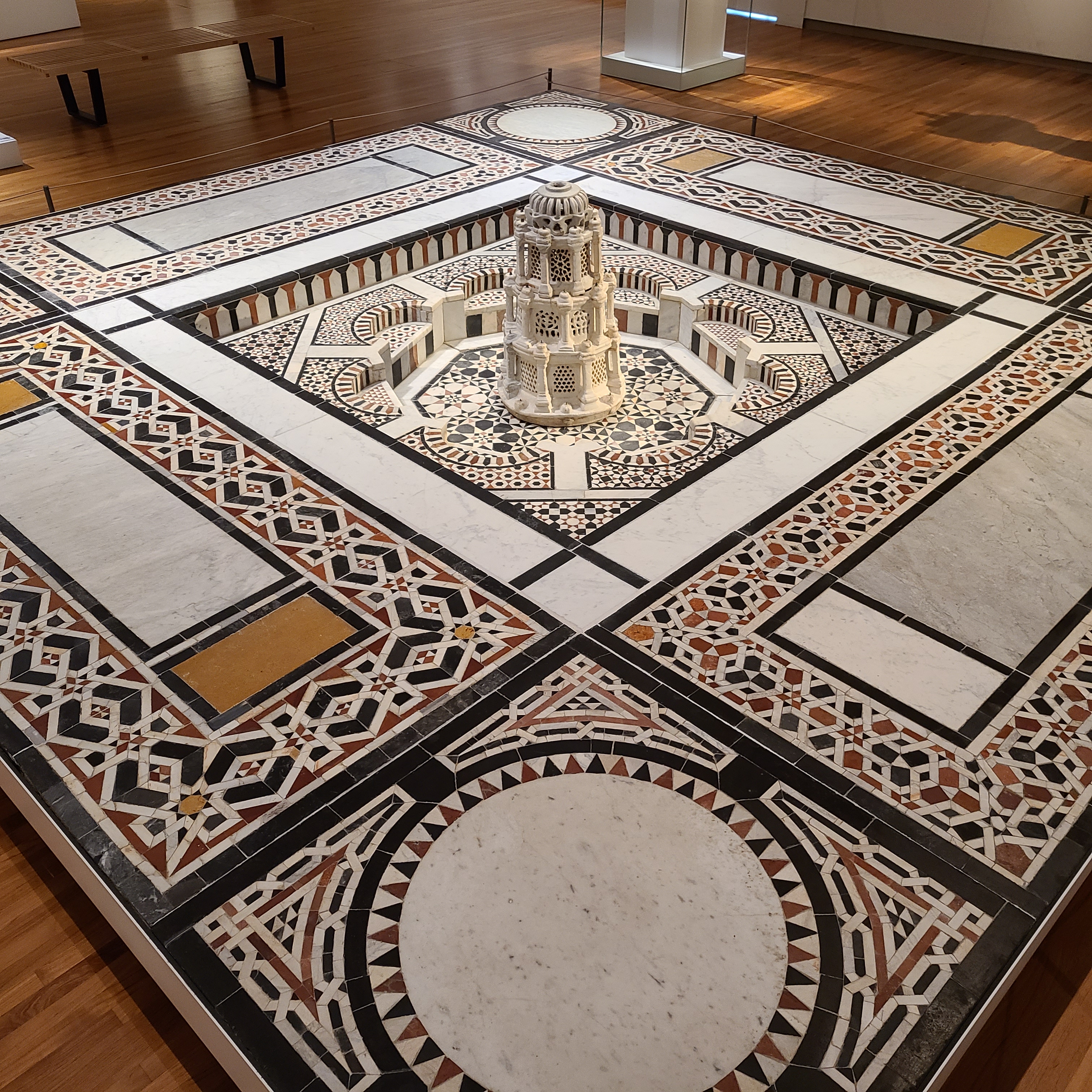
[This private collection] was assembled by Prince Sadruddin Aga Khan (1933–2003), uncle of His Highness, Prince Karim Aga Khan IV. Prince Sadruddin began acquiring works of art in the 1950s while studying at Harvard University. Together with his wife, Princess Catherine Aga Khan, he continued to collect throughout his lifetime. Today, it represents the foundation of North America’s first museum dedicated exclusively to Islamic arts, where it is enhanced by superb objects from the private collections of Prince Amyn and His Highness the Aga Khan as well as new acquisitions, special exhibitions, and a rich roster of performances and public programs.
The Aga Khan Museum official website
Hidden Stories: Books Along the Silk Roads Temporary Exhibit
🏡 Where to Stay: Top Accommodations
🥾 Explore: Tours & Experiences
🚙 Hit the Road: Car Rental Deals
🛫 Get Away: Find Flight Deals
🎒 Shop: Travel Essentials
Hidden Stories spans one thousand years from the tenth to the twentieth century. The term “silk road” was coined in 1877 by the German geographer Ferdinand von Richthofen and detailed the roads over land and sea which transported this precious commodity (as well as spices) from China and Africa to Europe (or the Roman Empire). Along the Silk Roads, people traveled: merchants and scholars and pilgrims, knowledge-seekers and diplomats and spies on these travels there was silk, gold, ivory, porcelain, paper, furs, and amber which came along.

Gwalior Qur’an
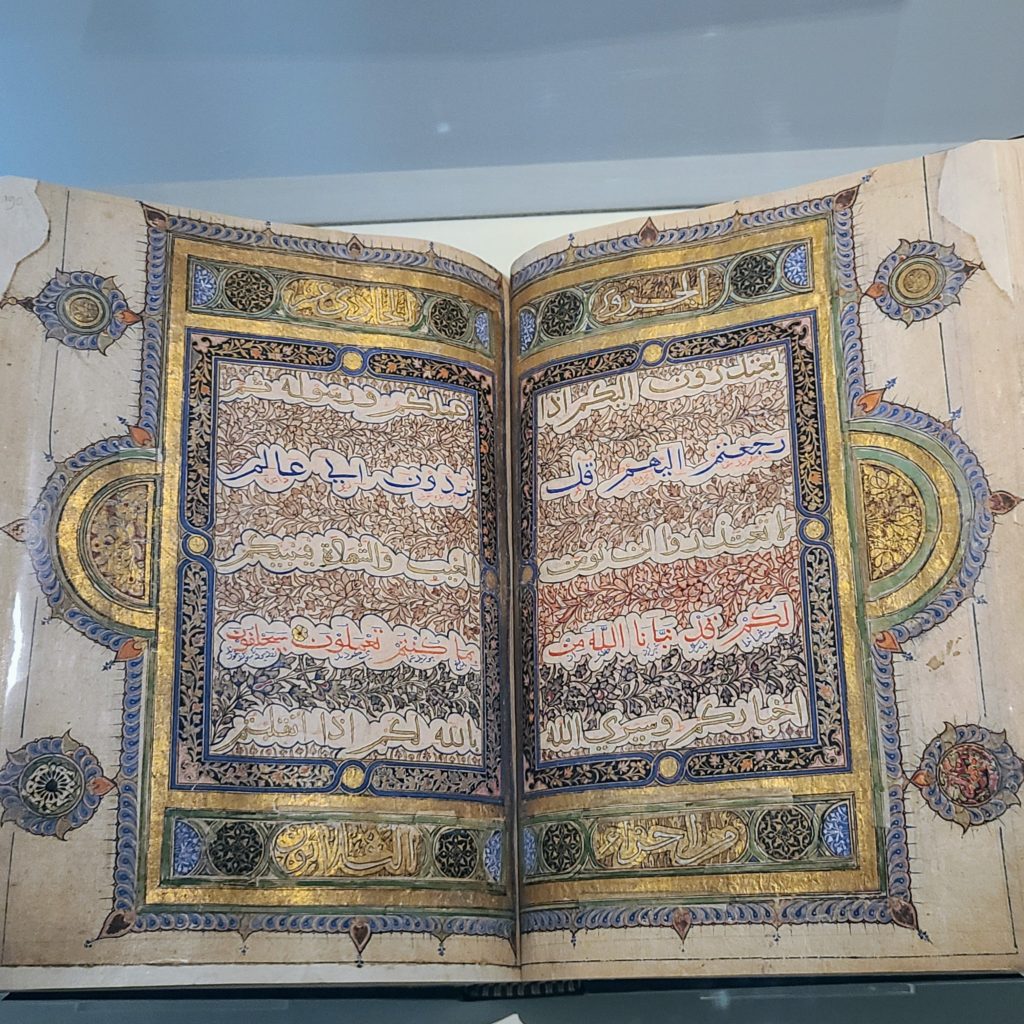
This exhibit has scrolls and manuscripts of the Qur’an which are beautifully illustrated. The Gwalior Qur’an is from northern India and is dated in 1399. It demonstrates the talents of the scribes’ work in watercolour, gold and ink. Many of the items in this exhibit are illustrations of the Qur’an scriptures. Whether in the form of scroll measuring over
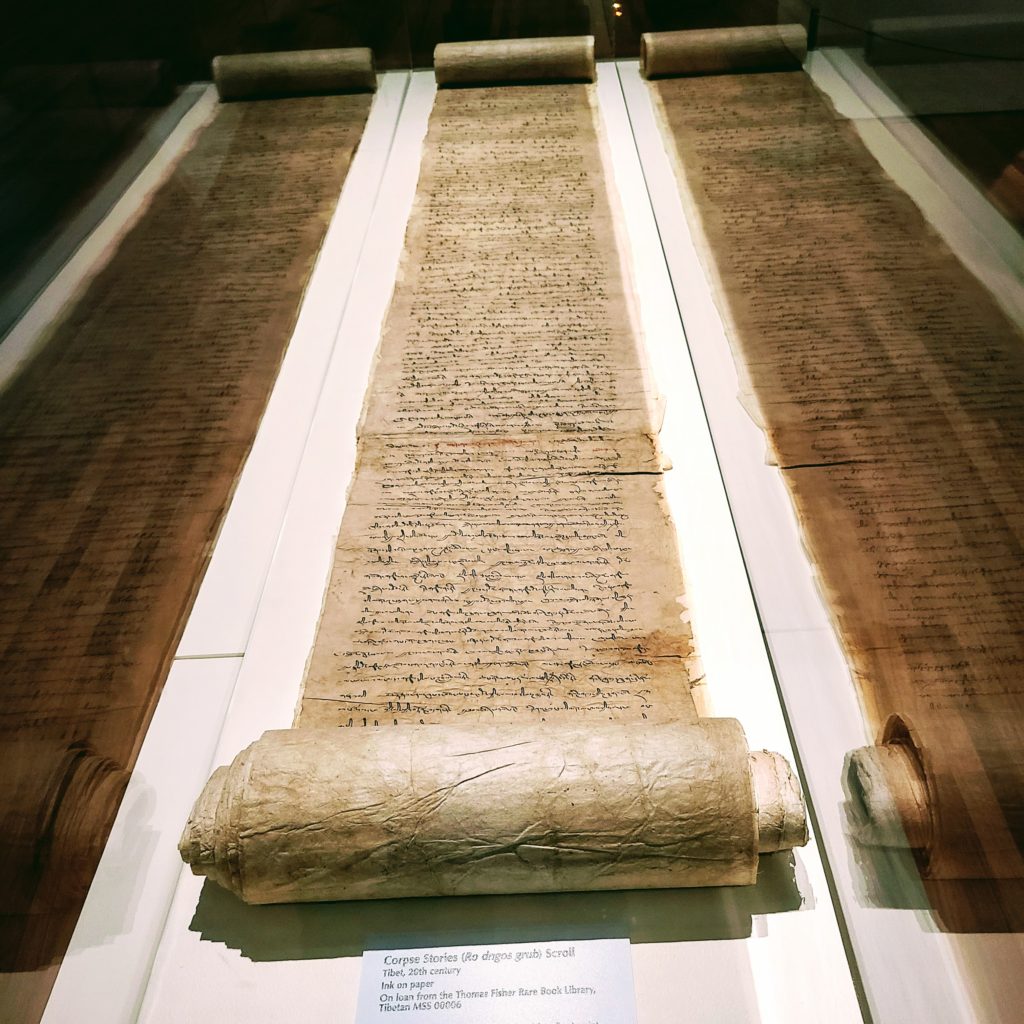
Corpse Stories (Ro dngos grub), Tibet, 20th century, Ink on paper
This very long scroll contains a collection of more than 34 Tibetan corpse stories known as Ro dngos grub, or Ro sgrun. It is a tale-within-a-tale based on the same tradition as the Sanskrit Vetala Tales in India. It begins with a challenge: the sage Nagarjuna (150–250CE) assigns Prince Gautamiputra the task of bringing him a corpse named Ro Ngodruk from a cemetery in the mountains. The Prince is instructed NOT to speak to the corpse. If he speaks while a story is being told, the corpse disappears and the Prince must seek it out again. Over and over a different story is told and a new one begins.
20th century Robe (chapan)
Images woven on textile were another way of storytelling along the Silk Roads. This very detailed 20th-century robe from Central Asia illustrates four different stories including the King of Solomon, Haroun al-Rashid, and the Greek romance of Vamiq & Azra and the Sultan Sanjar. It incorporates wool woven, felted and embroidered.

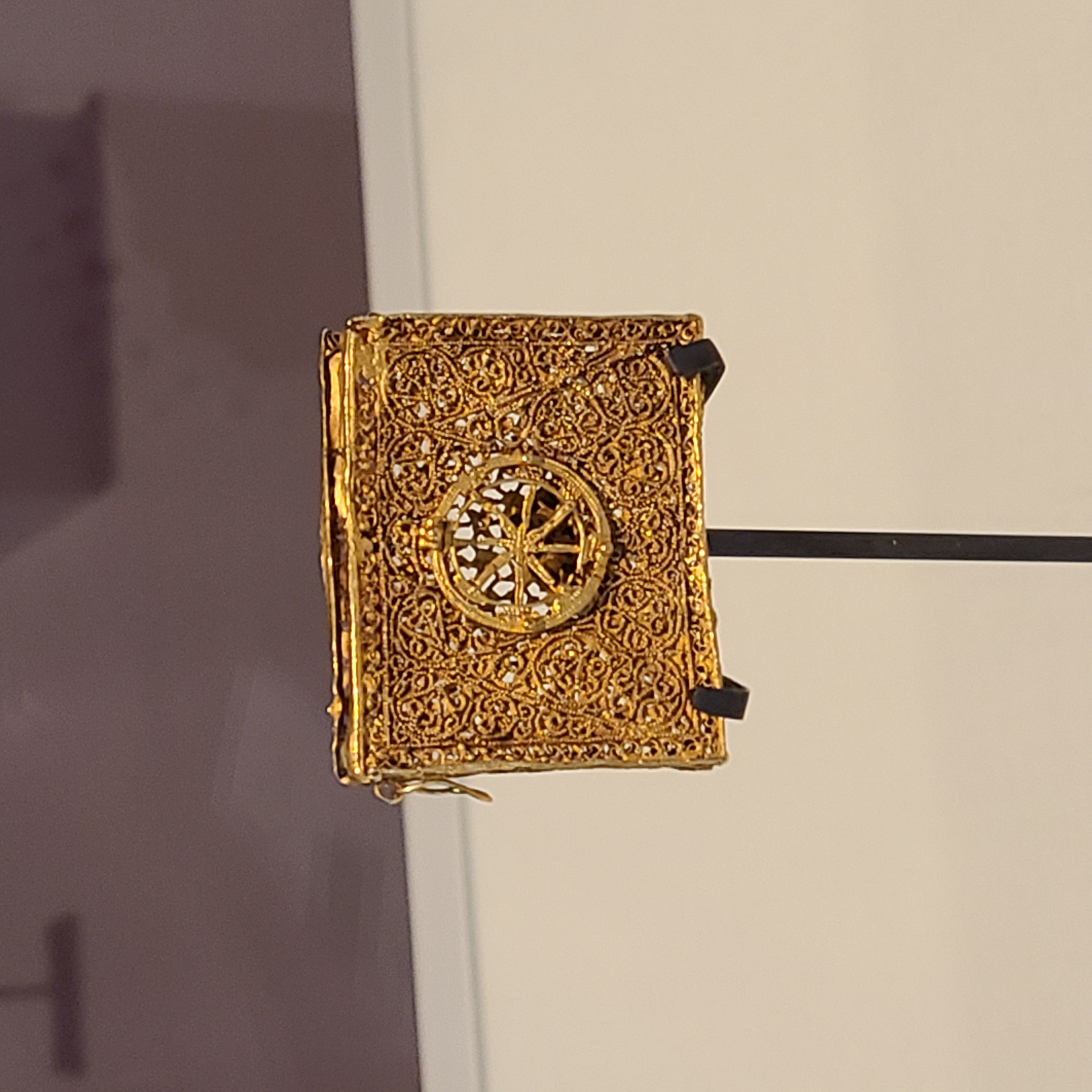
11th century Qur’an case was designed to hold a miniature Qur’an, which would have been worn as a talisman to protect the wearer. A single loop at the upper right of the case indicates how this object would have been suspended.
We found this whole exhibit facinating. From the tiny Qur’an manuscripts to the elaborate robes. It was well worth the drive from London, Ontario to see it!
The Permanent Collection
On the first floor of The Aga Khan Museum in Toronto, you will find the permanent exhibit. A beautifully curated collection of artifacts, paintings, tiles, mosaics, instruments and manuscripts from the permanent collection. The exhibition starts with a large map of the world that illustrates a timeline of the development (and spread) of Islam from the mid-700 century until the present day.

The artifacts in this collection range from the 8th to the 21st century. These items are from Northern Africa to Spain in the west, across the Middle East across to South Asia and China to the east. They include an ivory horn (oliphant) from 12th century Italy, silver double doors from India, tiles and wood ceiling latticework from Spain, colourful tiles from Syria and Muqarnas – Architectural 14th and 15th-century Fritware from Uzbekistan.


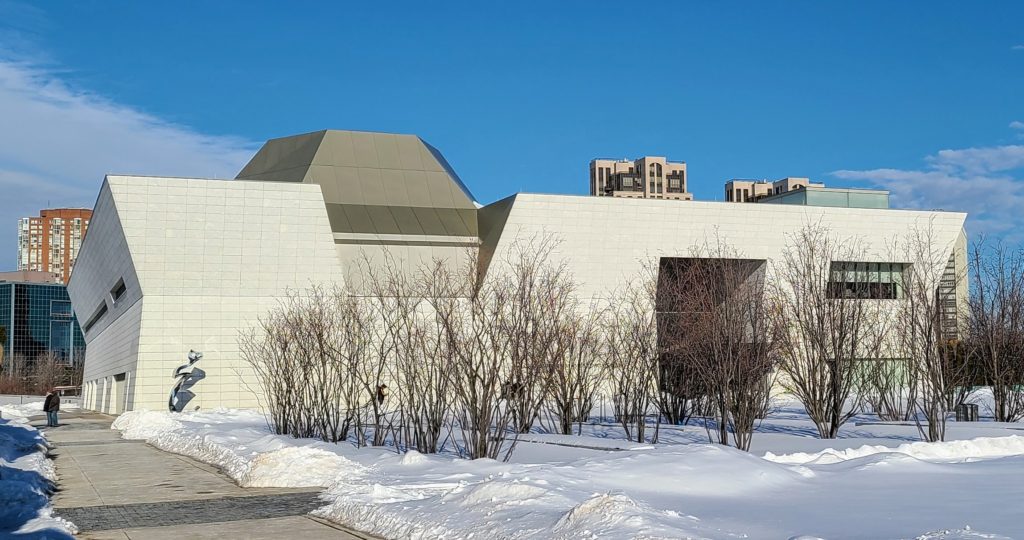
Although we visited in the winter, I would recommend a visit in the spring, summer or fall where you will be able to visit the gardens and larger grounds. You can also visit the museum virtually (for free). The website and virtual tours on the website use virtual walk-through-tours, images and videos to showcase the museum. I would, however, highly recommend an in-person tour because this is a beautiful museum. It is always wise to keep tabs of exhibitions in Toronto whether at the AGO or the ROM but from now on, don’t forget The Aga Khan Museum in Toronto.
What you need to know:
The Aga Khan Museum in Toronto
Location: 77 Wynford Drive, Toronto, Ontario, M3C 1K1
Hours: Mon: Closed
Tues: 10 am–5:30 pm
Wed: 10 am-8 pm
Thurs, Fri, Sat, Sun: 10 am – 5:30 pm
Ticket Price: Adult – $20, Senior $15, Student $12, Child $10
Parking: flat $10 fee
Food & Beverage: Small cafe in the courtyard (delicious paninis); DIWAN at the Aga Khan Museum (open for lunch only).
Related Museum Posts
- Great Art Pieces & Museums NOT in New York City #myflxTBEX
- Surrealism – A Visit to the Dalí Theatre-Museum in Figueres, Spain #Travel #TBEX
- Who is Ai Weiwei? A Guide to Stunning “According to What?” Exhibit in Toronto
- House of Horrors–Master of the Macabre–Guillermo del Toro at the AGO #Toronto
- The Chihuly Collection and The ROM Exhibit – Magical, Whimsical Glass Art
- Should I go to Gogh by Car Exhibit in Toronto? Absolutely!
- A Secret no Longer – The Walter Anderson Museum of Art, Ocean Springs Mississippi @SeeCoastalMS #CoastalMS
- 6 Intriguing things to do in London, Ontario – Museum Virtual Tours #LdnOnt
🥾 Explore: Tours & Experiences
🏡 Where to Stay: Top Accommodations
🚙 Hit the Road: Car Rental Deals
🛫 Get Away: Find Flight Deals
🎒 Shop: Travel Essentials