This post includes affiliate links. When you purchase through these links, we may receive a small commission at no extra cost to you. For full details, please see our affiliate disclosure page.
Québec’s Côte-Nord
Traveling through Côte-Nord, Québec’s untamed northern coast, feels like chasing the edge of the world—a journey where colossal stone monoliths, untouched forests, and the salty breeze of the St. Lawrence River create memories that linger long after the trip. Over four days, I experienced sweeping beaches, vibrant local communities, and wild open spaces, discovering why this stretch from Tadoussac to Blanc-Sablon is known as much for its natural drama as its resilient people.
🥾 Explore: Tours & Experiences
🏡 Where to Stay: Top Accommodations
🚙 Hit the Road: Car Rental Deals
🛫 Get Away: Find Flights Deals
🎒 Shop: Travel Essentials
Why Explore Côte-Nord?
🏡 Where to Stay: Top Accommodations
🥾 Explore: Tours & Experiences
🚙 Hit the Road: Car Rental Deals
🛫 Get Away: Find Flight Deals
🎒 Shop: Travel Essentials
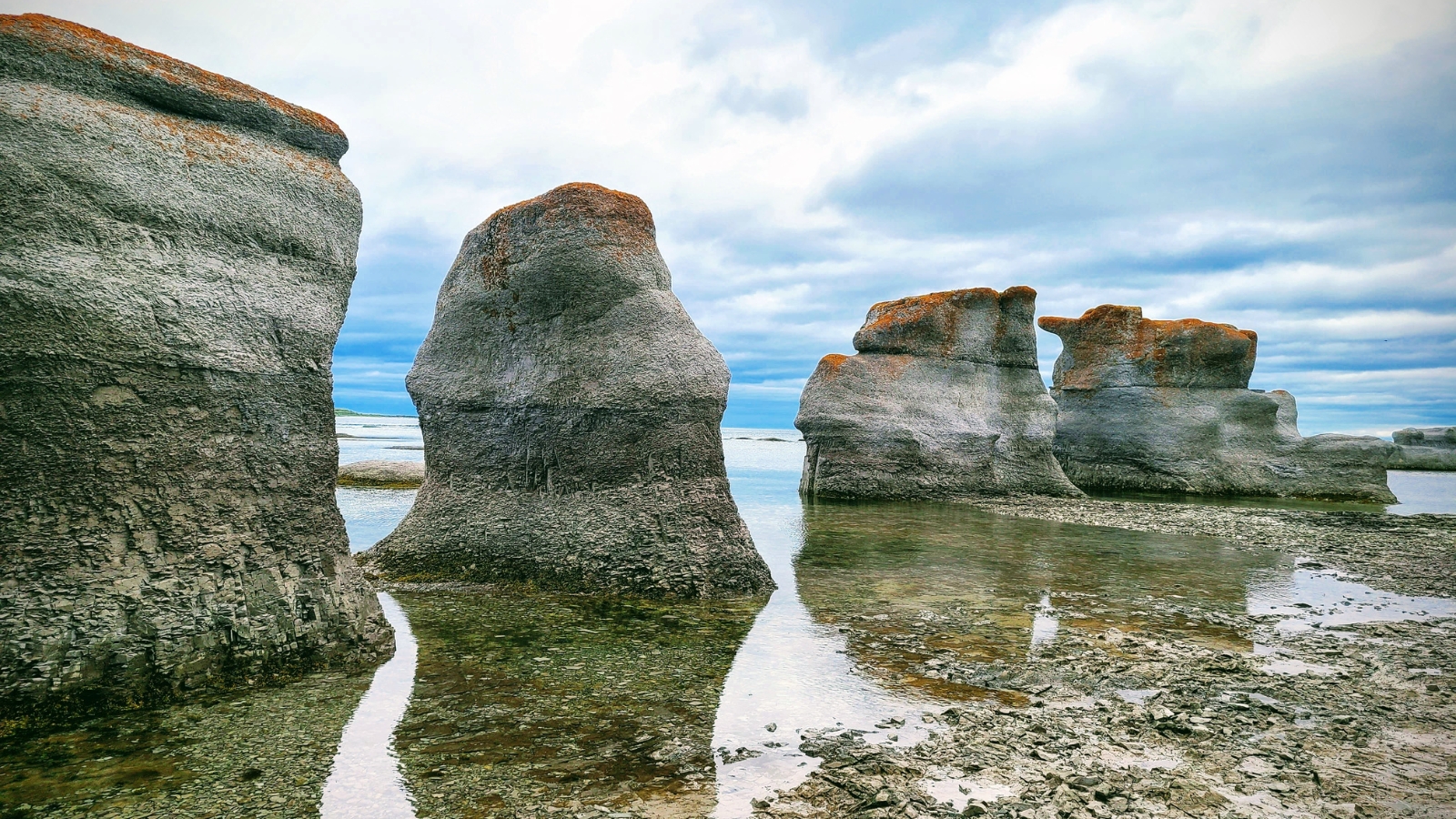
Côte-Nord offers more than 1,250 km of striking coastline, huge boreal forests, rarely visited beaches, and the magical Mingan Archipelago National Park Reserve—with the largest concentration of erosion monoliths in Canada.
The famed Whale Route (Route 138) hugs the St. Lawrence River, where blue, fin, minke, and beluga whales swim just offshore. You’re never far from a stunning sunrise or the crash of the Atlantic waves. I loved that the drive itself shapes the trip—each day brings new scenery, friendly faces, and a sense of wide-open possibility.
Day 1: Sept-Îles to Havre-Saint-Pierre
Touchdown in Sept-Îles & the Musée régional de la Côte-Nord
A quick hop on PAL Airlines from Québec City had us in Sept-Îles in just over an hour—a world away from busy, urban life. The air felt instantly different: salty, brisk, and full of promise.
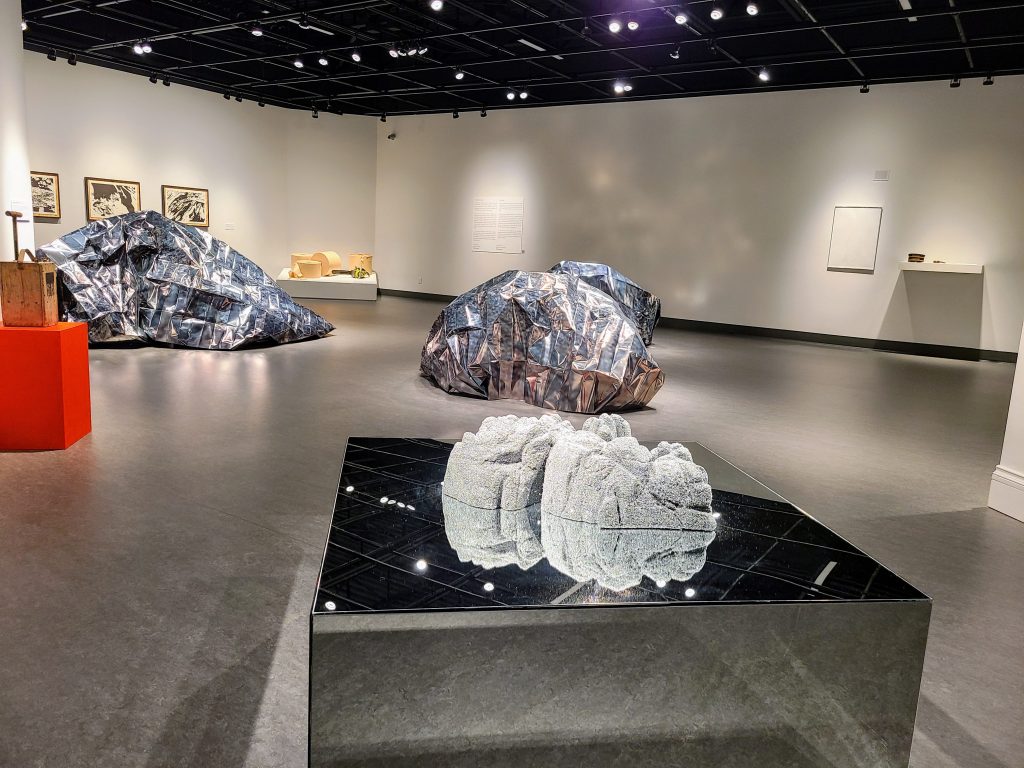
Heavy rain scuttled our planned waterfall hikes, but that meant more time exploring the exceptional Musée régional de la Côte-Nord. This interactive regional museum offers displays on everything from Innu culture and whaling history to geology and northern wildlife.
The museum’s rotating art and photography spaces were a welcome surprise, featuring an exhibit on cloudberries, a northern delicacy in one space and an art installation by Sarah F. Maloney in another.
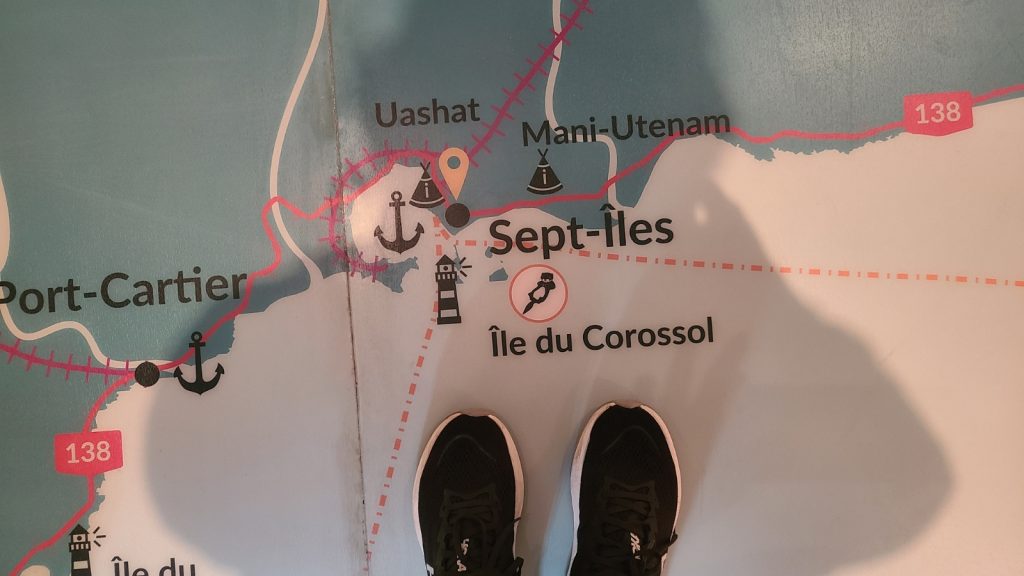
My favorite exhibit was a massive floor map (leading to secret cubby holes and compartments for kids to explore) showing how vast and remote this region is from Tadoussac to Blanc-Sablon and north towards Labrador.
The map illustrates where the hydroelectric stations (that power the provinces of Québec and Ontario and a large swath of the American Eastern seaboard), as well as pinpoint where iron ore and nickel mines are located. There is a lot to see here so be sure and allocate at least 90 minutes for a tour.
Freshest Seafood at the Wharf
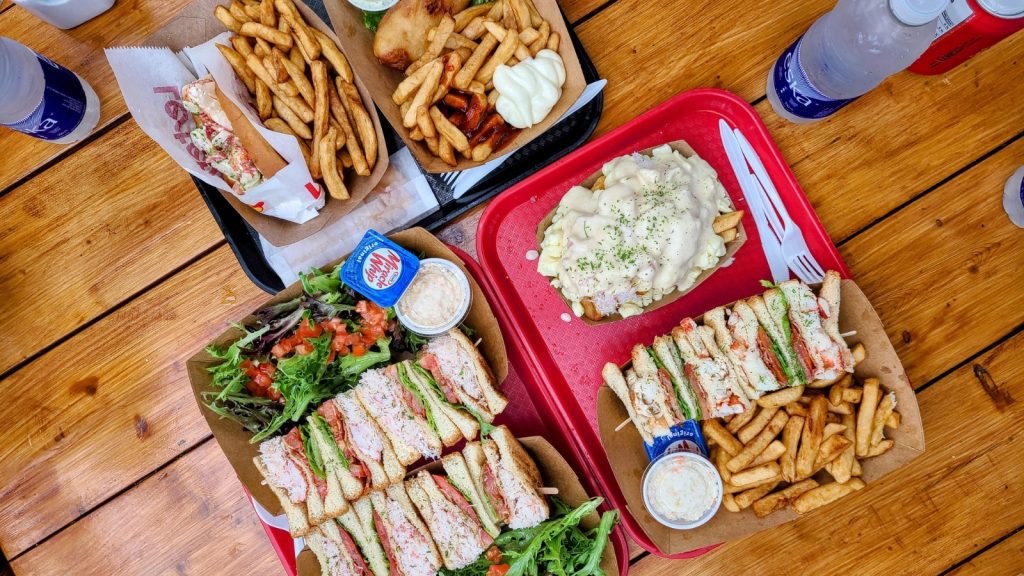
Lunch was a seafood delight at Casse-croûte du pêcheur, a local spot shaped like a lobster trap and just steps from the Sept-Îles wharf bustling with fishing boats. Lobster rolls, crab club sandwiches, and a unique seafood poutine with white gravy graced our table. The food here was fresh and hearty. This is the kind of simple, delicious meal you remember long after the trip.
Havre-Saint-Pierre
The scenic drive along Route 138 took us through dense forests and along wild rivers to Havre-Saint-Pierre, gateway to the Mingan Archipelago. Our hotel was cozy and well-located— for tourists and miners alike. Wanting to sample some local beer, we started our evening at Puyjalon – Brasserie et Distillerie for light libations and popcorn, before heading to the legendary Restaurant Chez Julie.
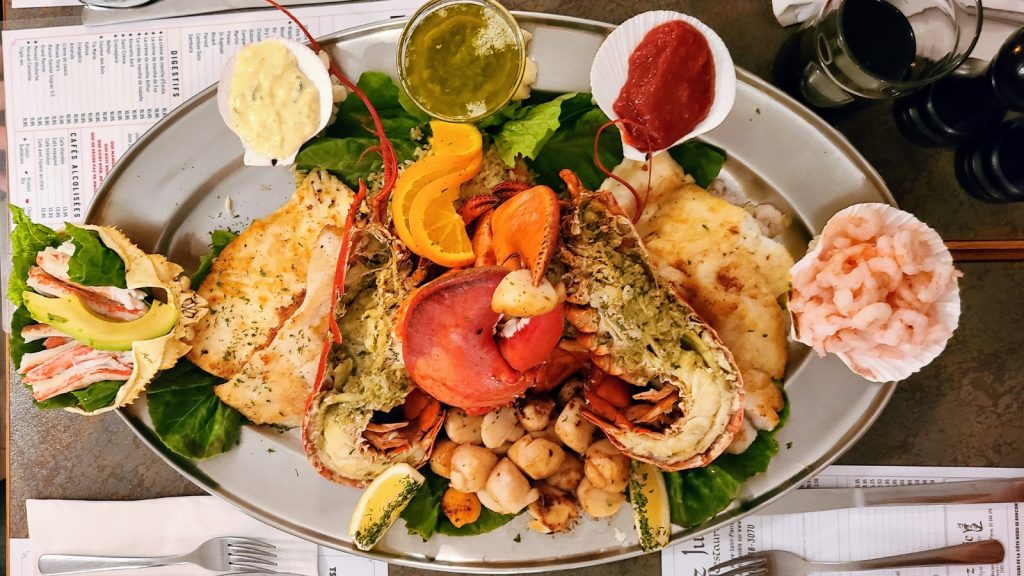
With an extensive seafood menu it provided me with one of the most memorable dining experiences that I’ve ever had in Quebec Maritime. The deluxe seafood platter and the stories that the owner provided were entertaining and pretty spectacular. I can attest that the seafood pizza truly is famous for a reason, and if you see cloudberry pie on the menu, don’t pass it up! We were lucky to get to order our lunch for tomorrow’s picnic from Chez Julie – truly delicious 😋.
Day 2: Islands, Innu Heritage, and Campfires
Boat to Mingan Archipelago National Park Reserve: Île Quarry
Our coastal adventure began in Havre-Saint-Pierre. After breakfast, we headed to the Information and Interpretation Centre to board a boat with Services Maritimes Boréale for a Parks Canada–guided tour to Île Quarry, one of the most breathtaking islands in the Mingan Archipelago National Park Reserve.
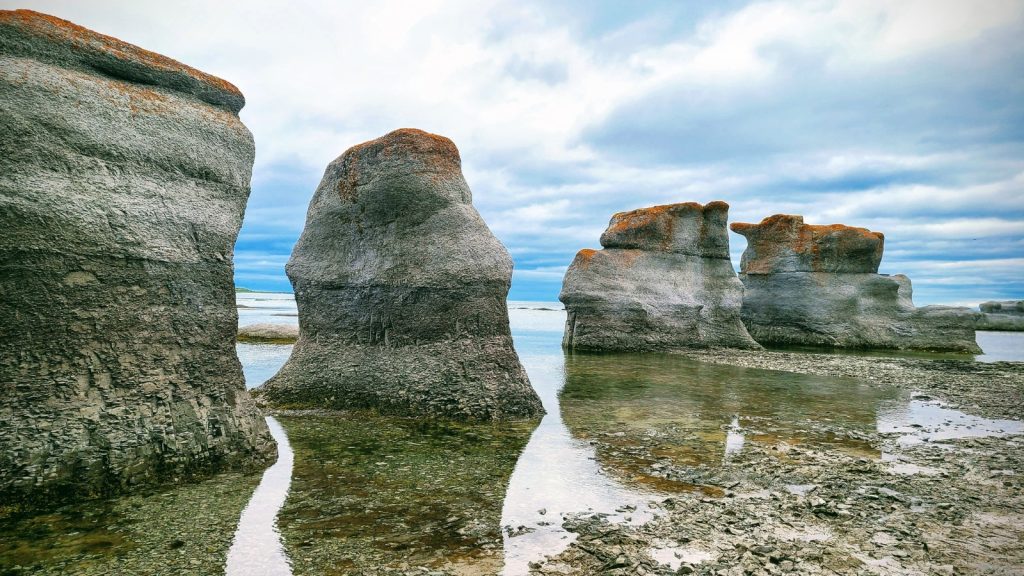
Named as one of 52 places to go in 2024 by the New York Times, the Mingan Archipelago National Park Reserve features about 20 main islands and a string of islets of rare beauty. It also boasts the largest concentration of erosion monoliths in Canada.
The boat carried both hikers and a camper to Grande-Île, to be picked up the next day. (PRO TIP: There is an overnight camping option. Parks Canada has tear-drop shaped Oasis pods that you can reserve eliminating the need of camping equipment).
We continued on to Île Quarry. As we approached by boat it gave us closer view of the massive stone monoliths, sculpted by wind and waves over thousands of years. We spotted puffins, seabirds, and a group of seals while skirting the rugged coast.
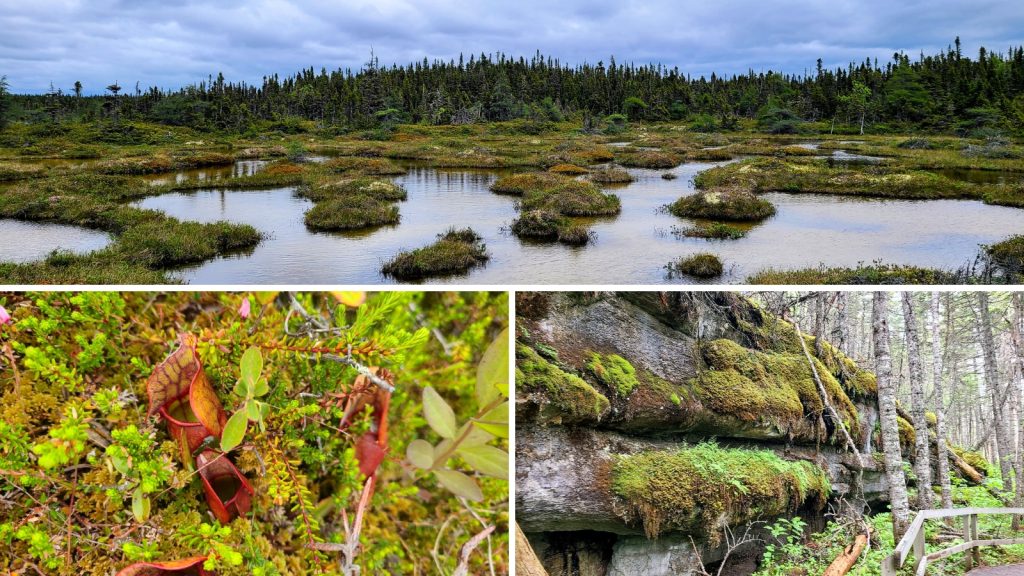
Boardwalks kept us off the sensitive bogs as we hiked through boreal forest and admired native flora —like pitcher, cloudberries, labrador tea plants and clusters of soft caribou moss—under the watchful eye of a Parks Canada interpreter. Cedric, our guide, was extremely helpful and knowledgeable- he informed me that Parks Canada offers these guided walks for free!
Innu Culture at Ekuanitshit
That afternoon, we joined National Indigenous Peoples Day celebrations in Ekuanitshit, an Innu community with deep roots on the North Shore. The town sits where the Mingan River meets the Gulf, a place whose name means “where things run aground.” We were welcomed warmly to the celebrations—children made crafts, adults participated in log splitting, nail hammering and canoe caring competitions. With much effort and laughter it was all very entertaining.
I was struck by the vibrancy of Innu heritage: French and Innu-Aimun are spoken interchangeably, and the Maison de la culture Innue (House of Innu Culture) offered insights into centuries of tradition. The village church, decorated with brilliant Innu art, is a must-see.
Camp by the Sea at Longue-Pointe-de-Mingan
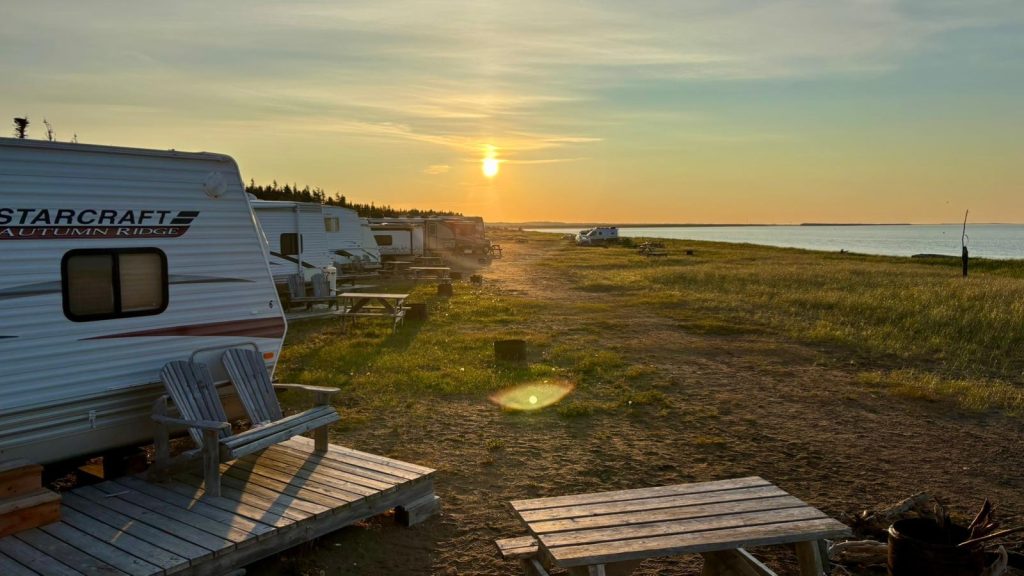
Our home for the night was a waterfront trailer at Camping de la Minganie Campground, overlooking the Mingan Islands. These rental RVs and cabins are perfect for travelers who want an outdoor adventure without having to haul your own trailer and gear.
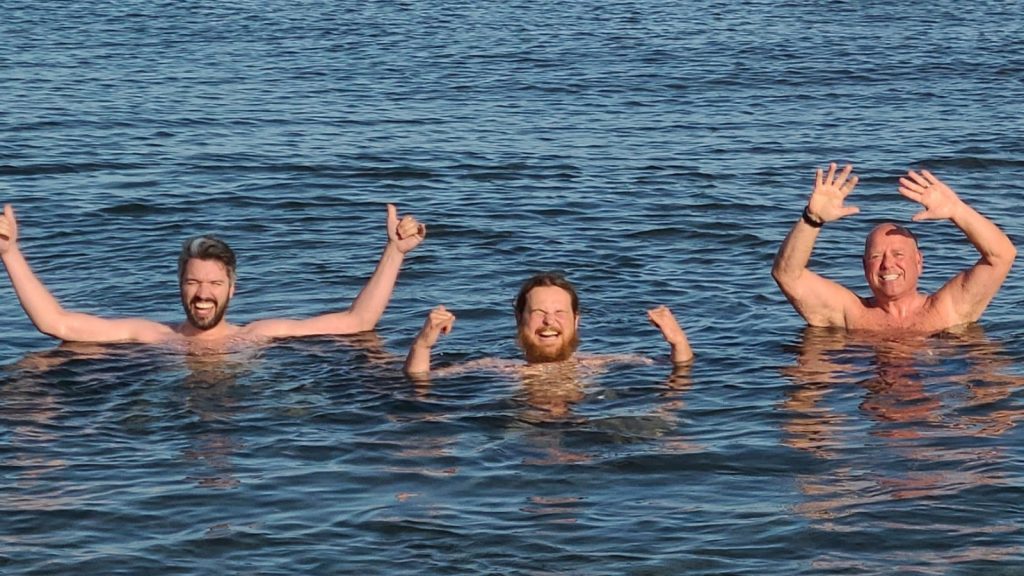
It is also the ideal place to stimulate your senses by taking a cold plunge in the St. Lawrence River. Once that is done, grab a beverage and warm up over a roaring fire, and relax to the sound of the waves. Dinner was pure comfort food at Cantine Chez Nath: burgers, fries, shrimp clubs, and poutine. There’s something about eating local, simple fare after a long active day.
Day 3: Puffins, a Lighthouse, and Bare Rocks
Birds and Lighthouses: Île aux Perroquets
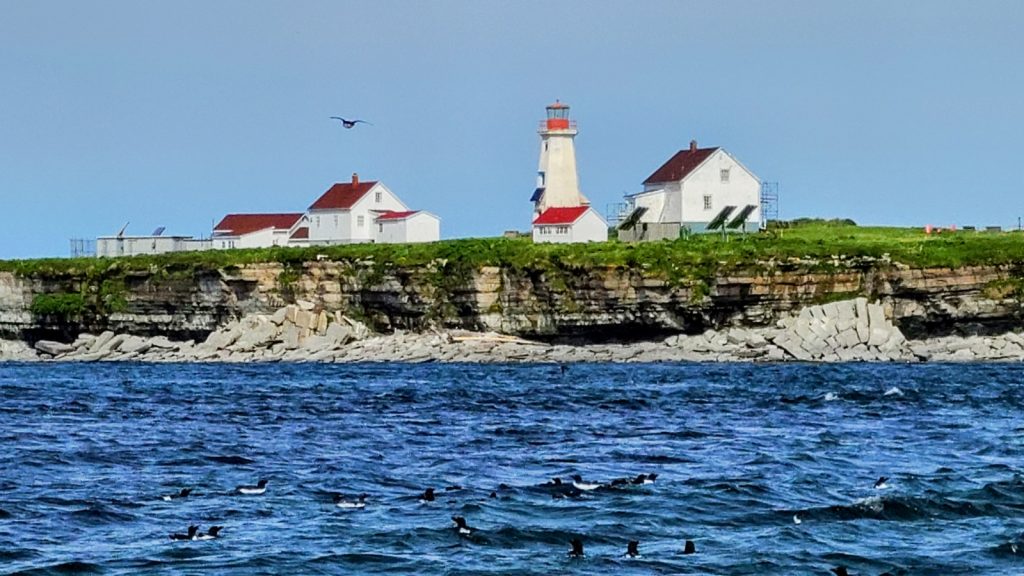
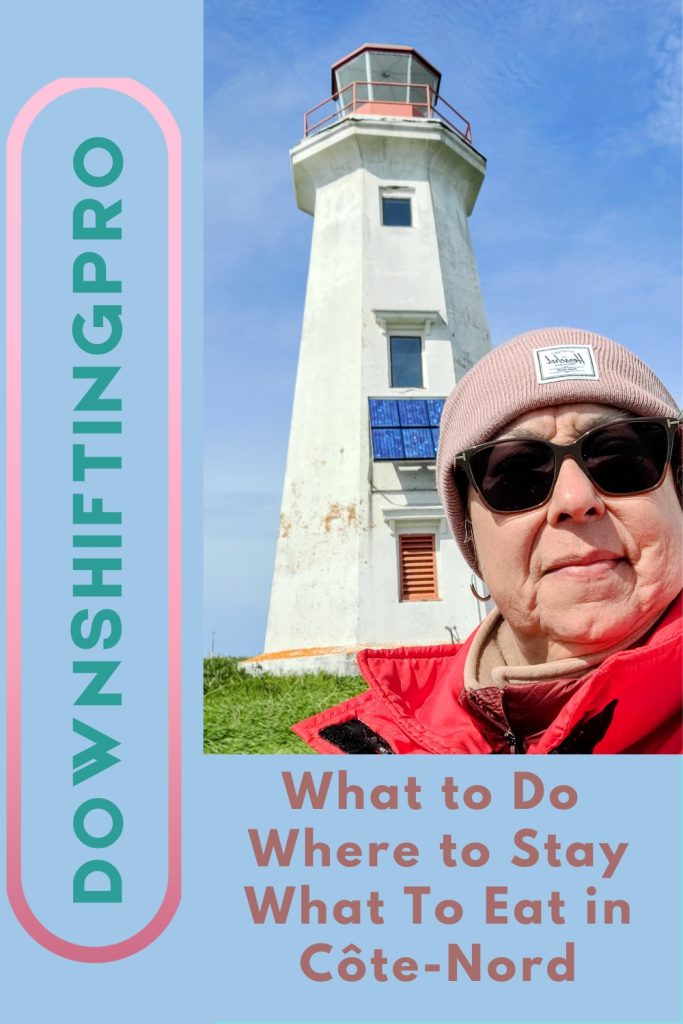
The next day, we headed to Île aux Perroquets with Famille Loiselle to tour the rocky islet crowned by a red-and-white lighthouse errected in 1888 and re-built in 1951. The perfect location for Instagram worthy pictures, this spot is a sanctuary for Atlantic puffins, razorbills, and other seabirds that nest in the cliffs all summer long. Walking the island’s short trails, I couldn’t help but think this would be a dream for birders and anyone who loves windswept vistas.
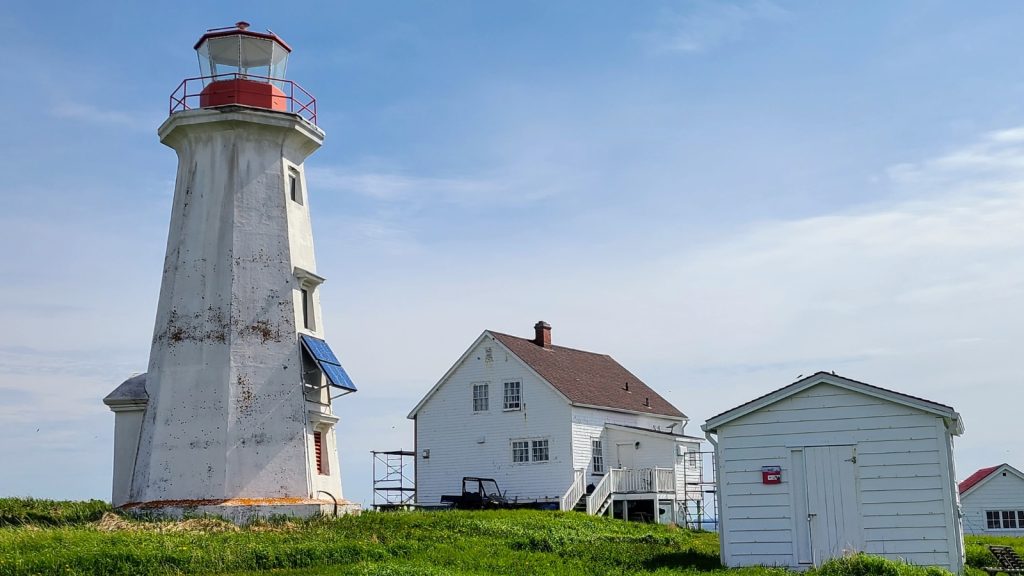
While we didn’t spend the night in the historic lightkeeper’s house, you can find out more about it through the Corporation de l’Île aux Perroquets—breakfast, interpretive programs, and boat transport included. If you crave total unplugging, this is your place – all reservations are handled through Parks Canada. There are also oTENTik or Oasis camping options on Île aux Perroquets.
Île Nue de Mingan: Wild and Wind-Scoured
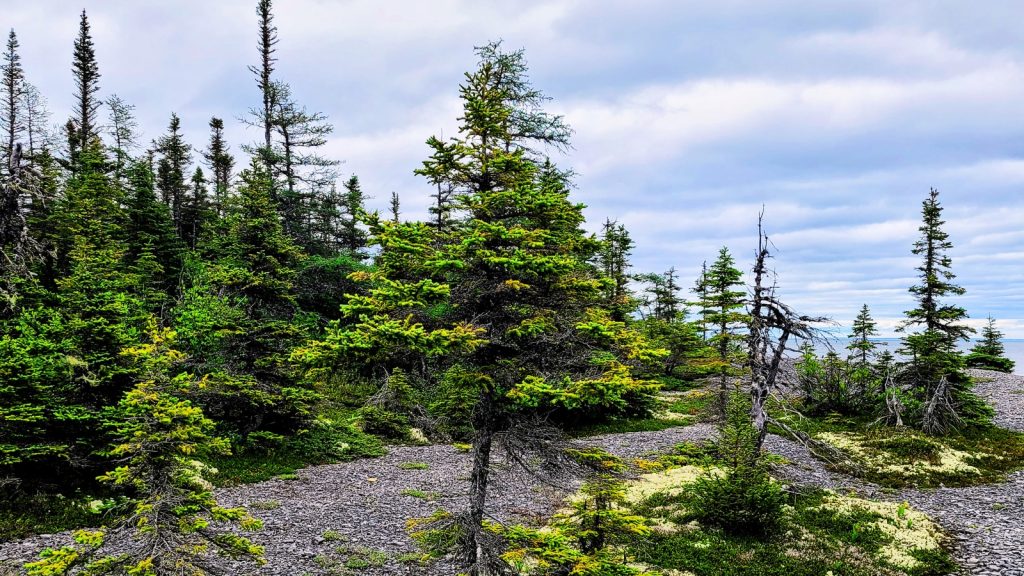
Next came Île Nue de Mingan, or “Naked Island”—a place so stark and treeless, it feels almost otherworldly. Its tundra-like barrens are dotted with limestone monoliths (the tallest, La Montagnaise, stands 10 meters high), tidal pools, wild berries, and echoes of the first visitors who roamed these shores.
The whole point of this trip was to see the beauty of the monoliths. We were here again in what seems like the surface of the moon. As you walk around, between and stand beside these majestic columns, you wonder what forces of nature over what period of time had to happen to make this. You can walk on the weather limestone and think, how many more generations will get to do this? How many will just see these towers from afar? Only time will tell, I guess.
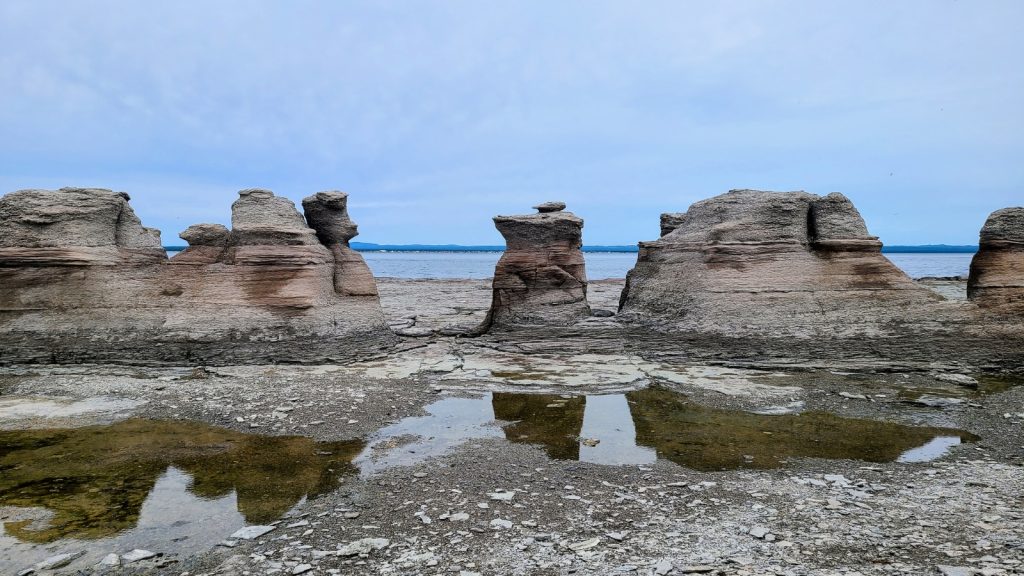
A visit to Île Nue de Mingan offers more than just natural beauty—it’s also a window into the region’s human history. Basque ovens from early European visitors still remain, and the island holds significance in the stories of the Innu and other groups who have traveled these waters for centuries. Accessible only by boat, the island is an unforgettable highlight for hikers, birders, and anyone drawn to wild, untamed places.
Manitou Waterfalls (Chute Manitou)
One of our biggest goals was to reach Manitou Waterfalls, a soaring 35-meter cascade located 85 kilometres east of Sept-Îles. There are two nature trails for getting different vantage points: the east-side trail is more popular, beginning with a gentle gravel path and a boardwalk with stairs that bring you closer to the falls.
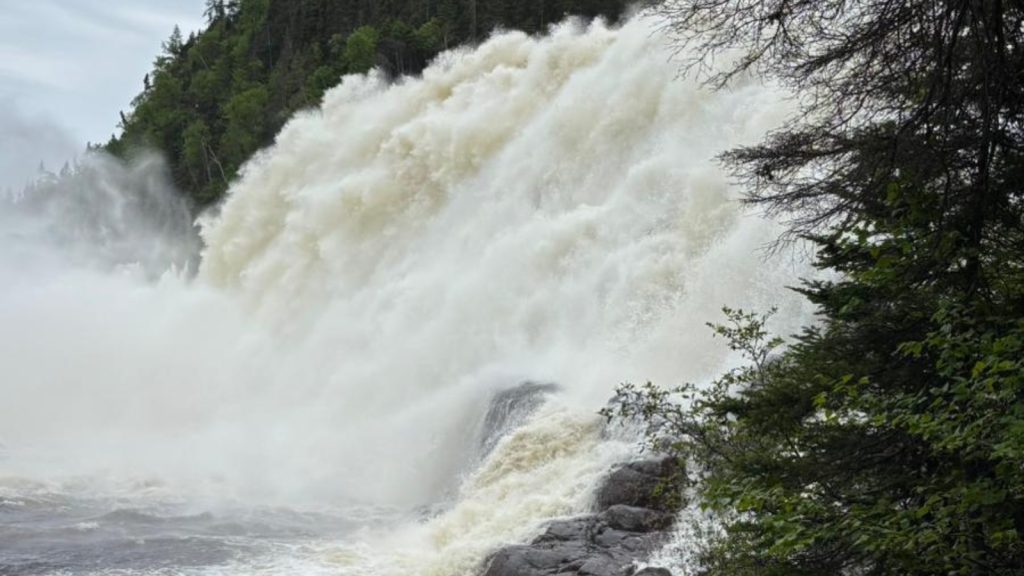
Our crew was set on getting a killer drone shot, and after walking the trails, I could see why this spot is so beloved. Facilities include an info center, parking, and picnic tables—making it a great place for a road-trip lunch.
Sept-Îles: Sand, Sunsets, and Summer Festivals
Sept-Îles is a bustling coastal city and the heart of Québec’s North Shore. The city’s maritime history is intertwined with fishing, iron ore shipping, and Indigenous Innu heritage, making it a fascinating crossroads of culture and industry.
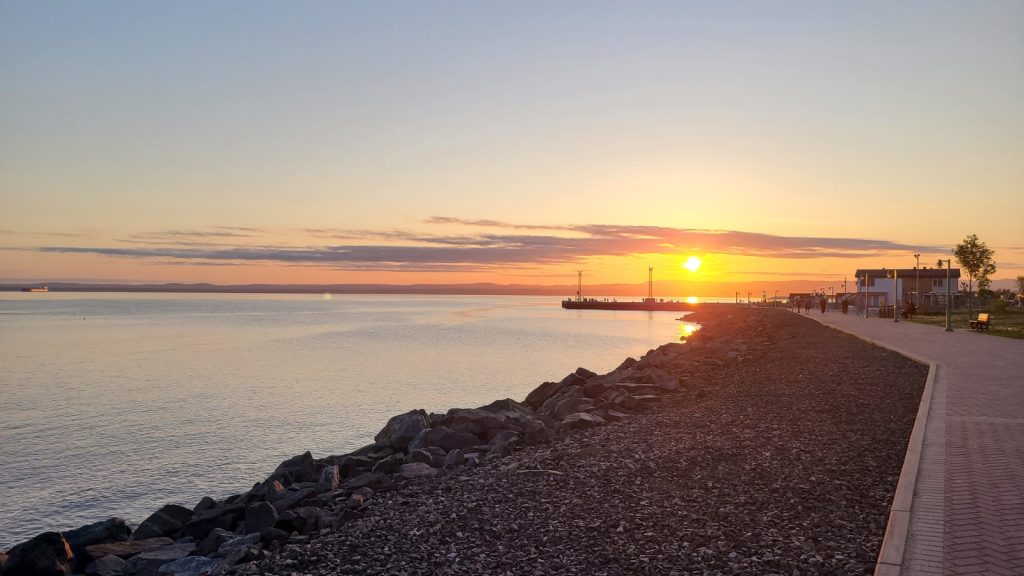
Named after the seven islands that shield its large bay, Sept-Îles has always been a gateway for travelers exploring the Côte-Nord. This is a place where industry, Indigenous culture, and everyday local life intersect—whether you’re grabbing a seafood lunch on the wharf, watching ships come in, or chatting with friendly locals who are proud of their roots.
Beautiful Beaches
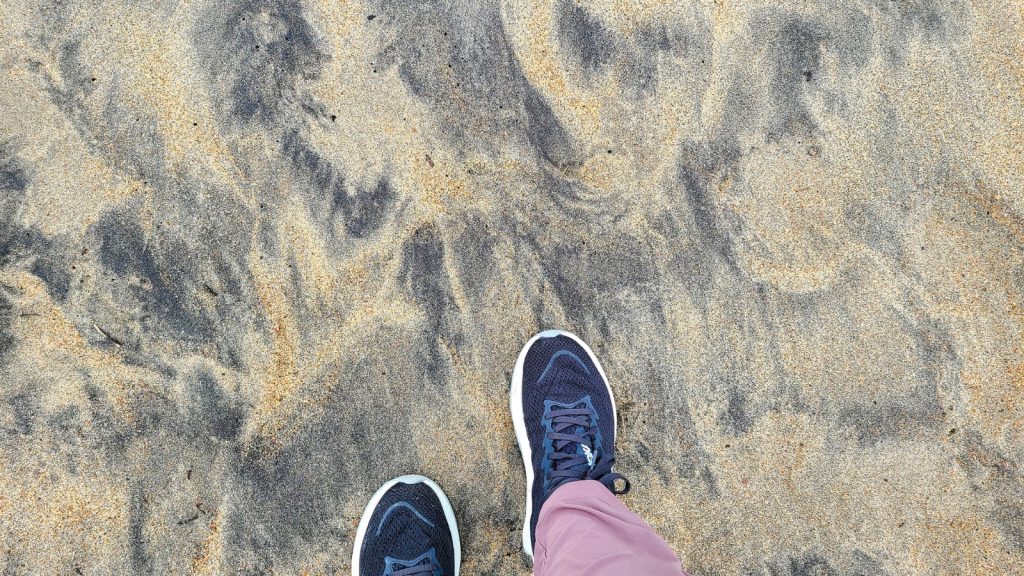
It’s also the perfect launchpad for hitting the outdoors. Just minutes from downtown, you’ll find nearly 12 kilometers of sandy beaches—Monaghan, Ferguson, Routhier, and Lévesque—where locals and visitors swim, stroll, or simply enjoy the wide-open views of the Gulf of St. Lawrence. With easy access to the Archipelago of Sept Îles, boat tours and island adventures start right here.
Summer Festivals and Innu Celebrations
But Sept-Îles isn’t just about the scenery. When summer arrives, the city bursts alive with events that draw the whole community together. The Vieux-Quai en Fête transforms Old Wharf Park with live music, performers, rides, and art—a true family celebration right by the water.
Meanwhile, just outside town in Maliotenam, the Festival Innu Nikamu brings together musicians, dancers, and artists from across North America, making it one of the largest Indigenous arts festivals on the continent. Together, these summer traditions highlight the city’s unique blend of natural beauty, welcoming spirit, and cultural pride.
We ended our day with sunset at Hotel Sept-Îles (read my hotel review on Hotel-Scoop.com), watching the last light spill across the water—a perfect way to unwind. We were lucky that each of our rooms had a balcony and we could look towards the sea and appreciate the efforts of those that make a life on the water.
Day 4: Culture, Waterfalls & A Detour in Port-Cartier
When our mid-morning flight from Sept-Îles was delayed until late evening, we suddenly found ourselves with an unexpected bonus day to keep exploring. Instead of heading straight back, we made the most of our extra hours in Sept-Îles and Port-Cartier—wandering local trails, catching the roaring waterfalls at Rivière-aux-Rochers, and even squeezing in that elusive perfect drone shot.
Innu Artistry at Atikuss Economuseum
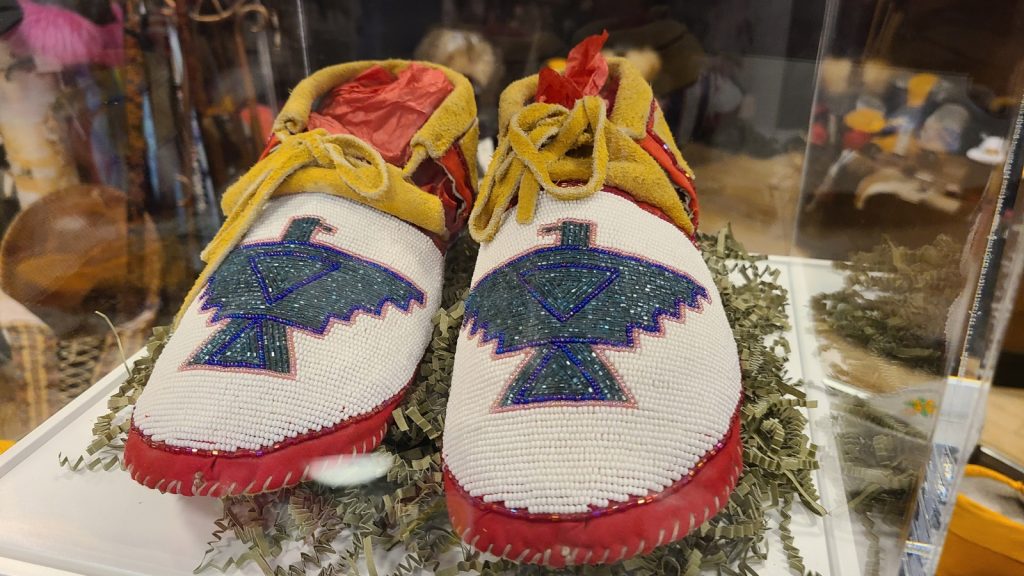
After breakfast at Bistro 7 (don’t miss it if you stay at Hotel Sept-Îles!), we toured Atikuss, an Indigenous-owned economuseum and boutique in Uashat, part of the Innu First Nations territory. Authentic moccasins, beadwork, and local designs tell the story of the community’s resilience—and make for meaningful gifts.
We had the pleasure of making our very own dream catcher with the direction of one of the local artists. This, or a drum making, beading craft or taste testing class, are offered for a truly Indigenous learning experience. I am always looking for Indigenous Tourism experiences in my travels.
Port-Cartier: Waterfall Adventures & Salmon Conservation
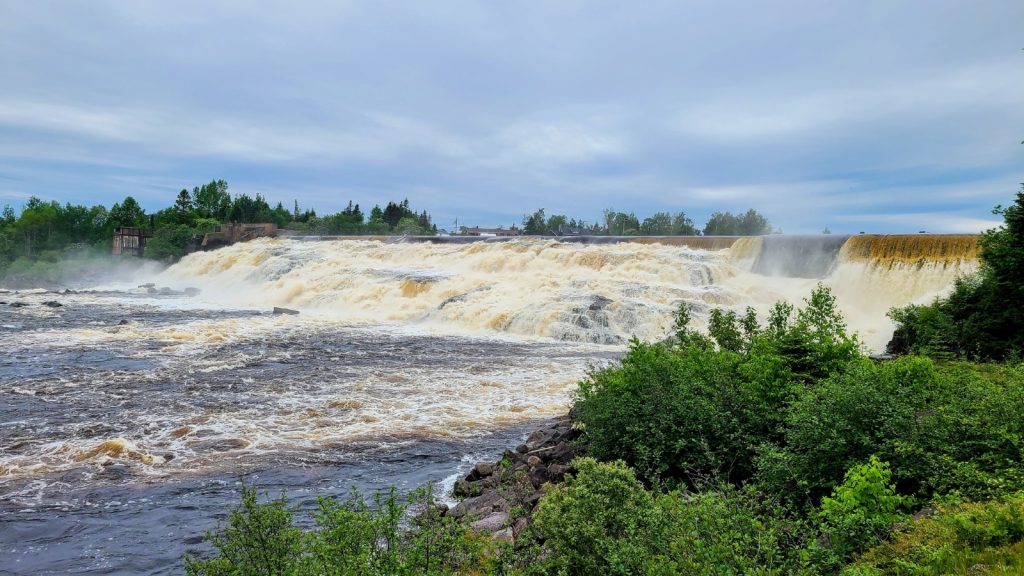
We headed to Port-Cartier to search for a few more waterfalls. The Rivière-aux-Rochers Park converges at the heart of this peaceful town, with lovely park trails. The Salmon Interpretation Centre is worth a visit for anyone curious about the Atlantic salmon’s remarkable journey and the ongoing efforts to protect wild stocks.
The Wrap-Up: Reflections and Road Tips
Not even a wild thunderstorm and a last-minute flight diversion could dampen the magic of this trip. When the weather rerouted us to Montreal instead of Québec City, it turned out to be an unexpected gift—a chance to reunite with my uncle, linger a little longer with family, and snag some thrifted treasures downtown. This serendipitous city adventure was the perfect, surprising end to my wild Côte-Nord journey. Sometimes, it’s those unplanned moments and detours that turn a good trip into an unforgettable story.
I set out to discover another part of Quebec Maritime. I was searching for the thrill of seeing those towering monoliths, the power of waterfalls, and the taste of the freshest lobster. What I found was so much more: a personal tour of a remote island, a comical RV mishap, and—most importantly—a renewed sense of adventure and wonder at nature in all its glory. Travel, I’ve learned, rewards those who show up curious and open to surprise.
Would I recommend this trip? In a heartbeat. Next time, I might hop the legendary passenger-cargo ferry to Blanc-Sablon in search of even deeper remoteness. Côte-Nord rewards every traveler—with rugged beauty, community warmth, and a wildness you’ll carry long after you’ve returned home.
Ready to chase your own slice of Côte-Nord? Been along the Whale Route and want to share tips? Drop your questions or favorite stops in the comments below—I’m always planning my next adventure!
🥾 Explore: Tours & Experiences
🏡 Where to Stay: Top Accommodations
🚙 Hit the Road: Car Rental Deals
🛫 Get Away: Find Flight Deals
🎒 Shop: Travel Essentials
How do I get more practical information about your prices, what is included, how to schedule, how to sign up?
Thank you,
Olga
Thanks for stopping by. I am not a travel agent. You can book directly through the hotel links.
What information were you looking for?